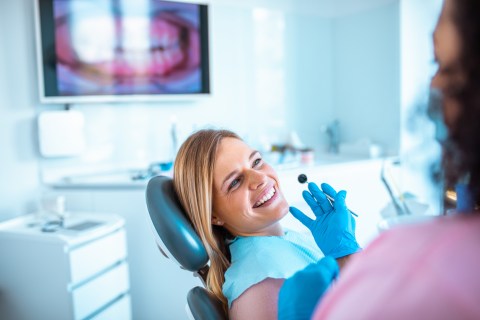
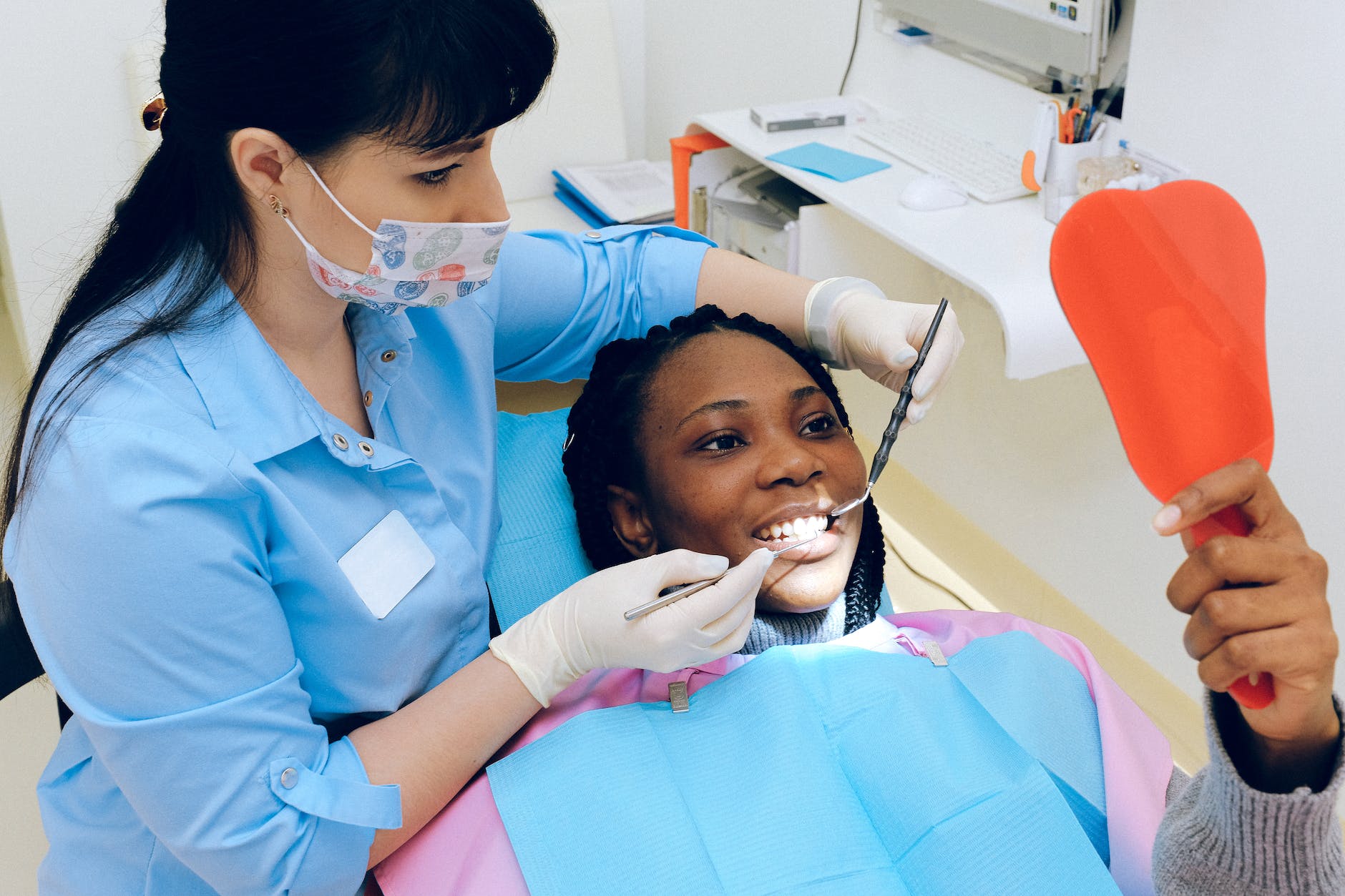
The mouth is the door to the inner body. Ignoring its vitality in general health exposes you to the risk of contracting diseases. With poor dental health, a bacterium grows, leading to various diseases. Here are some things that your teeth may tell you about your overall well being.
Endocarditis and Dental Health
Endocarditis occurs when there is an infection of the heart valves or chambers. When you have poor dental health, the bacteria spreads to the heart through the bloodstream causing this infection. In severe cases, when bacteria affect the valves, it may cause inflammation, disrupting blood flow, causing stroke and heart disease.
Pregnancy and Dental Health
Periodontitis and severe gum disease cause birth complications. These complications include premature birth, ear infections, developmental, and behavioral problems. Additionally, it increases the risk of infant mortality. A dental check-up is vital for expectant mothers to ensure the well-being of their unborn child.
Diabetes and Dental Health
A high level of periodontal disease is likely to cause diabetes type 2 more than when a person has low or no gum disease. The inflammatory bacteria causing the periodontal disease attach themselves to the insulin receptors, thus preventing the cells from getting insulin for use in the body. This leads to reduced sugar regulation which causes diabetes.
Pneumonia and Dental Health
When bacteria in the mouth find its ways into the lungs, they can cause pneumonia and other respiratory diseases. The bacteria may cause inflammation in the lungs or block the bloodstream, which can cause severe consequences.
Keep Your Oral Health in Check
You can’t afford to become sick, courtesy of poor oral health. Ensuring that your mouth is clean and having regular check-ups can save you from these diseases and more. To ensure that your overall health is okay, learn more and purchase quality products that enhance your well-being.
If you are a health practitioner, you can improve your career by enrolling in a course. Visit Avidity Medical Design Academy to learn more. We also have scented soaps and candles with a healthcare theme, to help you relax and improve your frame of mind. Visit Avidity Medical Scentations for more information.
Stress, long hours on the road, and sitting at the wheel without any physical activity can make it challenging to stay healthy while you drive. Luckily, there are things you can do to make sure you are as healthy as possible while you spend your time in your car. They can help you be healthier and feel better while driving. Below are things to know about staying healthy while you drive:
10 Ways to Stay Healthy While Driving
Look out for smells inside or outside the car that may signal a potential health problem. Check for the smell of gas or engine oil that can affect your health when driving or parked.
Consider purchasing car upholstery that does not trigger allergic reactions. This is essential to your comfort and safety. Remove fabrics that might trigger an allergic reaction, like interior carpets, air conditioning filters, and air vents.
Before going for a long drive, purchase high-quality deodorizers and microfiber cloth for cleaning the car’s interior without leaving a mess.
Look for homemade remedies to keep safe during drives. Pack a first aid kit, drinking bottle, and pack natural remedies like tea brewed with herbs like ginger and chamomile.
Long drives mean you will be confined to your car or SUV for hours. It is best to be ready for unprecedented health dangers like elevated heart rate, blood pressure, and driver drowsiness.
Nibble saltine crackers and light snacks to ease nausea and symptoms of allergies. Avoid greasy, acidic, or heavy foods that may worsen your condition as they are slow to digest.
Avoid caffeinated beverages like sodas and coffee that can lead to dehydration and worsen your nausea. Instead, drink carbonated drinks or cold water.
Allow quality air to flow inside the car. If the weather does not allow you to open windows, consider using a fan or turning on the vents to blow air on your face.
Use aromatherapy with scents like peppermint essential oil on your trips. Other ways to scent your car include soaps and scented candles.
If your job involves frequent traveling, make an appointment with a doctor. They will prescribe medications as a long-term option to help deal with allergies during long trips.
It is probably not the right fit for you if you don’t feel comfortable with a doctor
Conclusion
Choosing the right doctor is an important decision. We hope these ten tips will help you choose the right doctor for you. For more healthcare information and tips, follow the Avidity Medical Design Blog today. To learn more about our healthcare courses, visit Avidity Medical Design Academy. To purchase healthcare candles and soaps inspired by healthcare, visit Avidity Medical Design SCENTations!
Holiday dinners and lunches bring a sense of family and unite friends. However, resisting an extra bite of that tasty food can be challenging. While eating larger portions or binge eating is tempting, it is detrimental to your health. Here is a list of ten dangers of overeating during the holidays.
If you have a fast metabolism, you burn more calories even when resting. On the other hand, people with a slow metabolism burn fewer calories and gain weight faster.
While a fast metabolism can slow down weight gain, you are still highly likely to overeat. Thus it’s still vital to watch your food intake to avoid overeating during the holidays.
How to Identify if You are Overeating
Overeating isn’t simply taking a lot of food. Hence, there are many ways to determine if you have this issue.
Can’t keep your favorite meal in the house; instead, you eat it in one sitting
Feel weighed down after eating
Barely paying attention to your plate
Feel bloated after eating
Tips to Avoid Overeating
Mindful eating is a perfect way to ensure you don’t stuff yourself during the holiday season. Avoid distractions so you can pay attention to your body’s fullness signals. Likewise, chew your food slowly and thoroughly.
More tips to avoid overeating during the holidays are:
Watch your portions
Use a smaller plate
Avoid going to events on an empty stomach
Cut back on taste testing
Eat more proteins than carbs
Eat foods rich in fiber, like vegetables and whole grains
Follow Avidity Medical Design Blog for More Information
Overeating during the holidays has many health effects, but luckily, it’s avoidable. At Avidity Medical Design Blog, we have many helpful health articles. Besides, we sell scented candles and soap to improve mindfulness and wellness. Visit Avidity Medical Scentations for more information. To enroll in a healthcare course, visit Avidity Medical Design Academy.
You’ve probably heard the phrase “vital signs,” but you may not know how truly important they are. Vital signs are an objective and helpful way to get a quick snapshot of someone’s health — including your own. For vital signs to be useful, however, you first have to understand what they are and why they’re important.
What are Vital Signs?
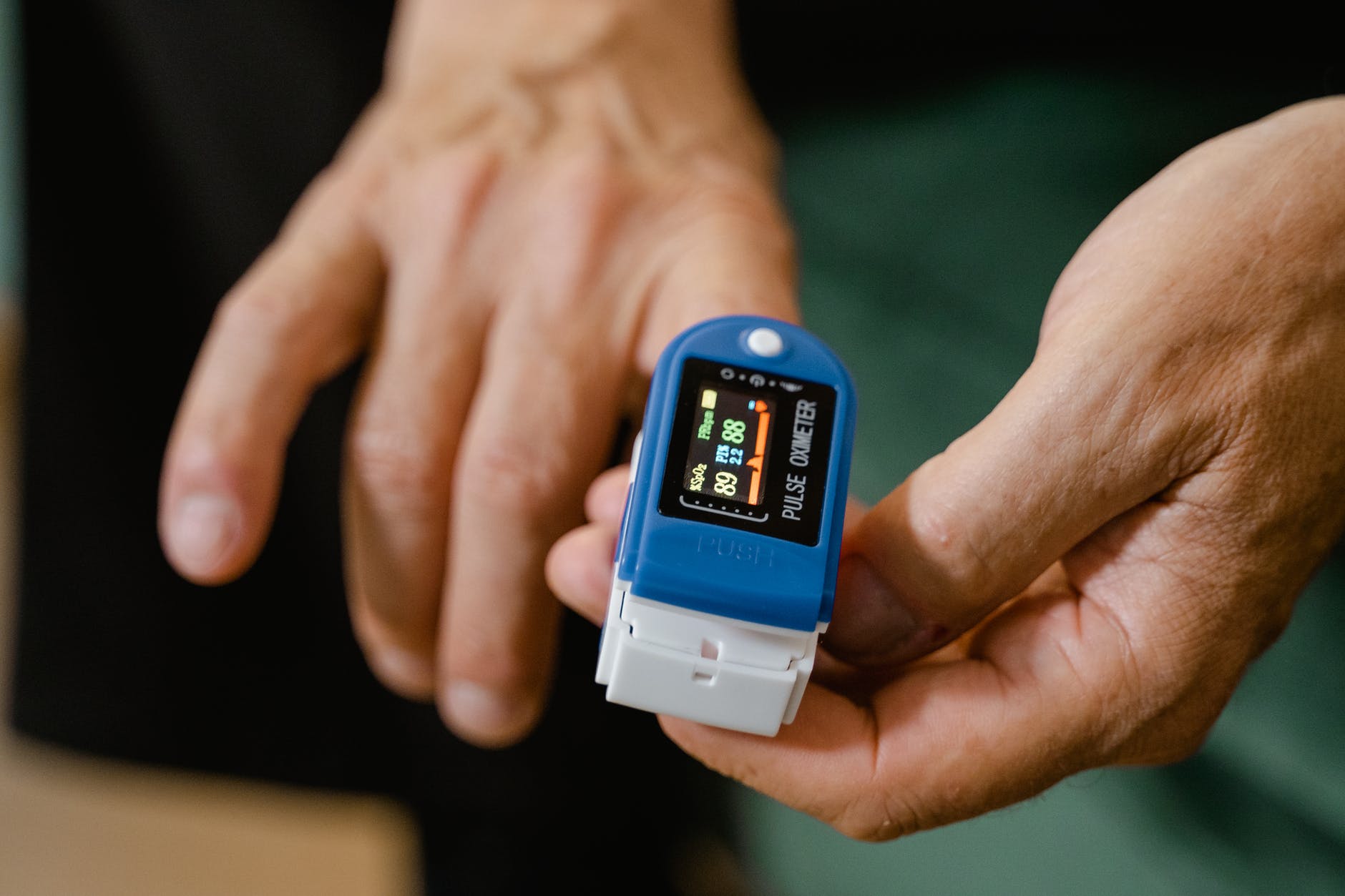
Vital signs are an objective measurement of all the critical physiological functions of a person’s body. In healthcare, vital signs are the essential first step in evaluating someone’s health status. Whether in a doctor’s office for a routine check-up or in the emergency room preparing for surgery, healthcare professionals will take a person’s vital signs before providing care. Why? Because vital signs, though simple, offer a plethora of information about a person and help direct the care professionals provide.
Vital signs consist of four basic pieces of information:
Temperature: Normal Range 97.7 to 99.5 degrees Fahrenheit
A person’s temperature is typically taken with a thermometer by mouth, ear, or forehead. The normal temperature range is 97.7 to 99.5 degrees Fahrenheit. For example, a temperature of 102 degrees Fahrenheit may indicate a fever from an infection or dehydration. On the other hand, a low temperature of 90 degrees Fahrenheit may show that the person has been exposed to cold for too long or has an underactive thyroid.
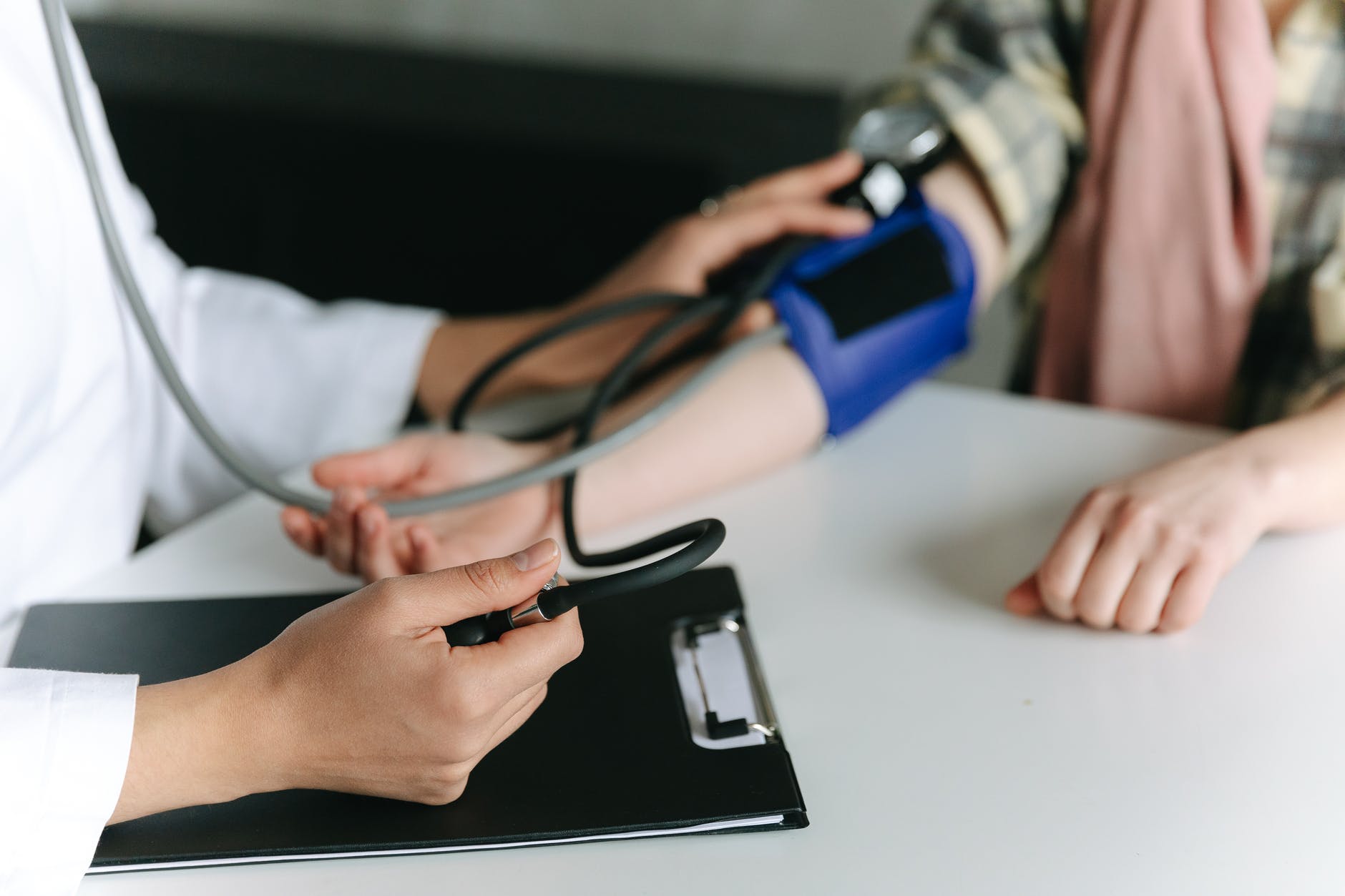
Blood Pressure: Normal Number 120/80 mmHg
Blood pressure measures the force of blood against the walls of arteries as the heart pumps out blood and is obtained using a blood pressure device. The numbers on a blood pressure reading consist of two numbers, with one number (systolic) over another (diastolic).
Although “normal” blood pressure is 120/80 mmHg or lower, most people fall within a range of that number. Because blood pressure readings measure the force of blood pumped by the heart, it says a lot about the condition of a person’s heart and cardiovascular system. A person with repeated high blood pressure readings of 140/90 mmHg, for example, may have heart disease. In contrast, a person with a very low blood pressure reading of less than 90/60 mmHg may be suffering from heart failure or heatstroke.
Pulse: Normal Range 60 to 100 beats per minute
Typically taken while a person is resting, a normal range for a person’s pulse — also known as heart rate — has a wide span of 40 beats per minute because a normal pulse may vary from person to person.
A person’s pulse fluctuates depending on their emotions, illness, injury, or even how often they exercise. An athlete, for example, may have a normal pulse of about 55 or lower due to their healthy heart. A non-athlete with a slow pulse of 55, however, may have a heart problem. Conversely, someone who has a fever, heart issues, or experiencing severe pain may experience a fast heart rate of 130 beats per minute.
Respiratory Rate: 12 to 20 breaths per minute
Being able to breathe well is essential for life. Your breathing is one of the primary indicators of good health. A normal range for respiratory rate, also known as breathing rate, is 12 to 20 breaths per minute. For example, a low respiratory rate of 9 may indicate a drug overdose or carbon monoxide poisoning. A high respiratory rate of 24, however, may be a sign of a lung condition or pneumonia.
Vital Signs: Knowledge is Power
When it comes to your vital signs, knowledge is power. Taking your vital signs and knowing what the numbers mean can help guide you to make healthy decisions about your habits and lifestyle. Your vital signs show you whether you’re on the right path and what you need to address to make improvements.
Interested in a little self-care? Purchase scented candles and soaps through Avidity Medical SCENTations to pamper your skin and rejuvenate your mental, spiritual, physical, and emotional health.
Our sense of smell is an important part of physical, mental, and spiritual health. – Avidity Medical Scentations (http://aviditymedicalscentations.com)
When you buy your friend or family member scented soaps or candles, you actually provide them with the valuable benefits of aromatherapy, especially in a relaxing stress-free environment, and especially after a hard day’s work. Aromatherapy has been around since the time of Hippocrates. But, like many ancient remedies, it has been relegated to alternative medicine. Modern Western medicine generally uses pharmacology and medical procedures to heal the body. However, it is slowly coming around to recognize the impact the olfactory system has on the body.
The Olfactory System and Your Health
The olfactory system is your body’s sense of smell. Amazingly, scientists claim it can distinguish somewhere between 30,000 and 1 trillion scents.
You might think olfactory cells would be confined to the nasal region of the human body, but they are everywhere! Olfactory cells exist in the heart, intestines, liver, and skin, among many other organs.
Since these scent cells are all over your body, it is not surprising that aromatherapy could offer many kinds of health benefits.
Benefits of Aromatherapy and Science
Research has offered somewhat inconclusive results because the methods used in aromatherapy are not standardized. Furthermore, the results depend on personal responses. However, the studies focusing on benefits reveal potential breakthroughs in pain relief and the reduction of stress and anxiety.
Most of its supporters can attest to the benefits of aromatherapy that research has supported. These benefits break down into several primary categories:
Physical Health.
Mental Health.
Spiritual Health.
Emotional Health.
Science doesn’t have all the answers. However, it does offer evidence of the benefits of aromatherapy that fit into these three categories. For example, headache or other pain relief (physical) and stress reduction (mental and/or spiritual).
Scented Products and Your Health
When considering scented products for yourself or as a gift, there are many reasons to choose a product. One of those reasons should be the impact a certain scent could have on your health. Not only will you enjoy the pleasure of the scent or the memories that it evokes, but you may experience the reduction of medical symptoms that could greatly enhance your life.
Visit Avidity Medical Scentations and sign up to receive our product notifications. Each candle or soap will offer you the therapeutic benefits of aromatherapy. It also comes with an inspirational message to remind you to maintain good mental, physical, and spiritual health in everyday living.
Our sense of smell is very complex, and it is interconnected to the rest of our body through our olfactory system. Scientists and healthcare professionals may not understand exactly how or why it works. However, they are beginning to understand that it is an important part of physical, mental, and spiritual health. Take steps now to support your health and well being. Go to Avidity Medical Scentations to sign up for notifications on our healthcare candles and soaps. Each candle or soap includes a health care reminder message to remind you to take steps to maintain your health and well being every day.
There are many ways to relieve back pain without the use of medication.
There are many ways to relieve back pain without medication. If you suffer from back pain and are looking for alternative ways to ease the pain, read on. Remember as always, that you should follow your doctor’s orders if your doctor has prescribed medication or another form of treatment for your chronic back pain.
Drink liquids that relieve inflammation each day. — Anti-inflammatory drinks and foods are not only great at relieving back pain, but they can also help inflammation throughout your entire body. The more anti-inflammatory foods and drinks you consume, the more they build up in your system and can significantly reduce pain and inflammation. Drinks such as turmeric milk, tart cherry juice, and ginger-green tea are all examples of anti-inflammatory drinks. Have one of these drinks daily to help reduce inflammation and back pain.
Avoid prolonged sitting. — Staying in one spot for long periods of time puts pressure on your discs and joints. If you can opt for a standing desk, do so. If a standing desk isn’t available to you, take regular breaks to get up, walk around, and stretch.
Give mindful meditation a try. — Meditation is a great way to relieve tension and stress, become more mindful, and can help release feel-good hormones. Mindful meditation can be used to control and relieve pain throughout the body.
Consider taking D3 supplements. — Vitamin D is essential for your joints, bones, and muscles. A daily supplement can help relieve back pain without medication.
Create your own vision boards to envision yourself free of back pain. — create your own vision board using Mind Movies, for example, to help you visualize yourself without pain.
Try Yoga. — Practicing yoga is an excellent way to relieve back pain without medication. Gentle stretches and poses can strengthen your core, which helps support your back.
Consider Acupuncture. — Studies show that acupuncture can help relieve back pain. According to Chinese medicine, pain is from blocked energy, and acupuncture relieves blocked energy.
Get a Massage. — Massage therapy is another way you can relieve back pain without the use of medication.
Think about Topical Capsaicin. – Capsaicin is the active ingredient in chili peppers. Capsaicin has been found to deplete a neurochemical that transmits pain, causing an analgesic effect when applied to the skin.
Consider Hydrotherapy. — Bathing in warm mineral water is a great way to relax your muscles and relieve back pain.
There are many ways to relieve back pain without the use of medication. Follow the Avidity Medical Design Blog to stay up to date on the latest trends in healthcare and medical education. Visit Avidity Medical Design Academy to enroll in an online healthcare course and learn about different healthcare subjects in your spare time.
Cholesterol is bad, right? Your doctor checks your cholesterol levels and reads off the numbers at every checkup, so it must be true. But let’s get into the nitty-gritty about cholesterol for just a minute.
Cholesterol is a waxy material. A little bit of cholesterol in your diet is actually good–it helps your body build cells. When too much cholesterol gets into your veins and arteries, they become clogged. The typical diet is full of high-cholesterol foods like chips and burgers and even eggs. For this reason, it’s important to take steps to help lower your cholesterol.
Your local grocery store is full of products that claim to help lower your cholesterol. We don’t endorse any of these products. However, if you are doing your own research, and you are interested in learning more about cholesterol-lowering foods, these 10 products might be a good place to start.
Metamucil: Not only does Metamucil claim to lower cholesterol, but these high-fiber products can also regulate your digestive system, help maintain blood sugar levels, and help manage weight.
Aristo Bars: These protein bars rely on plant stanols to fight against high cholesterol levels. They also contain heart-healthy Omega-3 Fatty Acids and fiber, which helps with digestion.
Minute Maid HeartWise: If you like orange juice, try reaching for this brand, which claims in two separate places on its packaging to help lower cholesterol.
Cheerios: If you’re looking for a heart-healthy way to start your day, a bowl of cheerios might be a good idea. They’re a low-fat food that also claims to lower your cholesterol.
Smart Balance: This butter alternative not only lowers cholesterol, but also reduces your intake of trans fats when compared to regular butter.
Stonyfield Farm Smoothies: In addition to lowering cholesterol, these yogurts contain probiotics and prebiotics, which can improve gut health and aid in digestion.
Quaker Oats: A naturally healthy food, oatmeal improves cholesterol levels and aids with digestion.
Silk Milk: Soy is another product that is known to naturally lower cholesterol. Silk makes soy products that are vegan and dairy-free, which makes them a great choice for all diets.
Kellogg’s Smart Start: This breakfast cereal has oat bran, which can help lower cholesterol levels. It also contains prebiotics that can increase calcium absorption–a perfect pair for your morning milk!
Benecol: This brand uses plant stanols, which have been shown to reduce bad cholesterol levels. They make butter alternatives as well as soft chocolate chews.
The COVID-19 pandemic has caused a rollercoaster of emotions. The government and media have fueled both fear and optimism, as many unknowns collide in a confusing narrative influenced by political parties and conspiracy theories. It’s enough to cause a mental health crisis even for those least vulnerable to the virus. That is why it is important to maintain positive mental health during the COVID-19 pandemic. It takes some conscious effort, but you can stay sane during these worrisome times by taking the following actions.
5 Ways to Maintain Positive Mental Health During the COVID-19 Pandemic
1. Eat a Healthy Diet
What you put into your body comes out of your body in more ways than one. Processed foods, alcohol, and other unhealthy ingestibles stress your mind, your gut, and your metabolism. Many people neglect healthy eating habits when there is a crisis, but this pandemic is lasting too long to use it as an excuse for unhealthy choices. Mental health requires a clear mind, and eating poorly creates brain fog. It’s understandable to turn to snacks and other vices when things are uncertain, but it can have significant negative consequences.
2. Maintain a Consistent Schedule
When you are staying at home, it’s easy to remain in your pajamas all day, stay up late at night, and sleep in every morning. Pretty soon, being productive is no longer a reality. Even if you are going to work, getting up early and maintaining a steady sleep-wake cycle is good for your mental health because it fortifies life’s natural rhythm.
3. Exercise Regularly
Elevating your heart rate is good for cardiovascular health, but exercise also reduces stress and depression. A gym membership can do wonders for your physical and mental health. If you can exercise outdoors, even better. The sun will provide Vitamin D that protects your immune system.
4. Take a Break from the News
Between the news media, the election, and social media, there’s a lot of ugly on the internet. Many people require some connection to the online world in order to perform job duties, but everyone can benefit from a break. Unplug, even if only for a couple hours a day. Your mind will thank you.
Lastly, don’t try to hang on to toxic relationships. If you have someone in your life that is berating your choices during COVID-19 or who generally makes you feel bad about yourself, cut them out. Life is too short to waste energy on these people. Take care of yourself by requiring respect from everyone in your inner circle.
Positive Mental Health and Happiness are Possible, Even During the Pandemic
It is important to remember during this pandemic that positive mental health and happiness are possible during this time. The news is filled with tales of “unprecedented” and “dark” times, but you can still maintain your peace of mind, and your world can be whatever you choose to make it. Times can be hard, but taking care of yourself ensures the best possible outcomes. To stay up to date on the latest healthcare news, follow the Avidity Medical Design Blog.
Like many people, you probably let thirst dictate your fluid consumption. It’s simply too easy to neglect proper hydration when facing the seemingly endless responsibilities and demands of the day. What you may be surprised to discover, however, is that thirst is actually one of the first and most telling signs of dehydration. If you wait to tackle the problem until your lips are dry and your urine is discolored, you may find yourself struggling with lower levels of energy, emotional fatigue, and even dizziness – among many other uncomfortable symptoms. Fortunately, there are a few simple strategies that will help you set things aright fast. This way, you can greet the challenges of the day with good health, high confidence, and optimized cognitive and physical functioning. Read on to learn about hydration in a way that will totally change how you consider and treat this all-important aspect of your daily self-care. Read these four important tips that you can use to become rehydrated fast if you become dehydrated.
1. Don’t Drink Too Much Of The Wrong Fluids.
Drinking too much of the wrong fluids can leave you feeling anxious and unsure. Your body is constantly trying to alert you of problems. This way, you can implement natural mitigation strategies to bring your own health back into balance. When you ignore any early, initial warnings, the alerts that your body sends will become more severe. For example, with many problems, minor aches and pains tend to be replaced with inflammation and swelling, and slight dizziness or fatigue can evolve into fainting spells, vertigo, or other serious issues.
In the case of dehydration, thirst gradually evolves into dry mouth, cracked lips, and fatigue. If you don’t pay attention to your body at this point, your symptoms can escalate to include intense anxiety. If you’ve been suffering from severe anxiousness that lacks an apparent cause, check your hydration levels. Often, when dehydration is the cause of anxiety, we aren’t simply failing to drink fluids. Instead, we’re attempting to get by on the wrong fluids. Take note of how much coffee, sugary sodas, and energy drinks you’re consuming. The caffeine and excess sugars that many of these beverages contain can cause anxiety. Severe dehydration on its own can lead to heart palpitations and extreme nervousness. Calm your rapid heartbeat and frayed nerves with beverages that will actually restore hydration, rather than oppose it.
2. Eat Fresh, Water-Dense Foods to Rehydrate Fast.
Eating fresh water-dense foods is a great way to preserve your electrolyte balance and rehydrate fast. People who love the taste of water rarely get dehydrated. These individuals seem to always request water at restaurants in lieu of colas or iced teas, or they constantly carry their own water bottles with them. Conversely, those who routinely suffer from dehydration tend to prefer alternative beverages. In fact, many even have a self-professed aversion to water. The good news is that drinking more isn’t always the best solution. That’s because more than needing water, your body is crying out for electrolyte balance. This is the balance of minerals that determines blood pressure, blood viscosity, clotting abilities, and many other key factors of your health and well-being. If you drink too much pure water – you can develop a sodium-related condition called hyponatremia. Over-hydration is a common result of guzzling too much pure water too fast, and absence of the minerals that your body requires.
Fresh, nutrient-dense and water-dense foods provide the perfect balance of both hydration and electrolytes. Eat more berries, melons, apples, oranges, stone fruits, grapes, and watermelon. Fill your plate with lettuce, carrots, celery, leafy greens, and tomatoes. These foods will perfectly supplement the water that you are drinking by bringing a diverse array of minerals into your system. Eating for proper hydration is one of the fastest and most effective strategies for bringing your body back into a state of good health and optimum balance. If dehydration has caused constipation, hemorrhoids, or any other problems affecting the digestive system, the added fiber in your diet will quickly resolve these problems as well.
3. Consider Drinking Coconut Water to Rehydrate Quickly.
Coconut water is the world’s most effective natural energy drink. One little-known fact about coconut water is that it naturally offers the perfect balance of electrolytes for the human body. In fact, the mineral composition of coconut water is so similar to that of human blood plasma that it has been successfully used during wartime as a plasma substitute. If you want to rehydrate your body fast, sip on several ounces of coconut water. Make sure that the brand you choose does not have added sugar or any other added ingredients. Unlike sports drinks and energy drinks, pure coconut water lacks caffeine, excess sugars, and any additional additives that diminish its nutritional value. If you’re attempting to rehydrate after a night of drinking and partying, drinking coconut water is the best course.
4. Sip Your Water Bottle Rather Than Gulping It Down.
If dehydration is a persistent problem for you, you may be tempted to engage in an intense, water-drinking challenge. For instance, there are countless people documenting and touting the benefits of drinking a full gallon of water per day. However, just as dehydration can be problematic to your health, over-hydration can prove troublesome as well. When it comes to giving your body the water it needs, balance is everything. Thus, one of the easiest and most effective strategies for rehydrating is to keep a water bottle with you at all times. Don’t wait until you’re thirsty to try gulping a ton of water down. Instead, sip at your water bottle throughout the day, and keep your diet filled with fresh, water-dense foods.
























 The Avidity Medical Design Blog