Most people have no idea what is in their medical files. Your medical files may have inaccurate information about your medical diagnoses; incorrect information about your medical surgeries and procedures; history data that you are unaware of; information on your minor children under age 18; and information that your employer may be able to access about you without you knowing about it. This course teaches you not only how to read and review your medical record, but also how to interpret the information that you are reading in your medical record, in order to locate any errors, get them corrected, and then confirm that the errors have been corrected. You will also learn how to obtain a copy of your medical record for free.
Medical identity theft is one of the fastest growing crimes in the country. Millions of people are becoming victims of medical identity theft, and don’t even know it. Think about this: Imagine that a thief steals your medical identity. Imagine getting bills for doctor visits that you didn’t have. Imagine someone else’s diagnosis showing up in YOUR medical record. Imagine getting calls from collection agencies for bills that belong to someone else. This amazing course teaches you how to keep thieves from stealing YOUR medical identity and racking up bills under YOUR name. This course shows you 8 things you can do right now to protect your own medical identity.
Being able to learn and to remember what you learn is important if you are considering entering the healthcare field. This course teaches you how to learn any healthcare course in 10 easy steps. If you recently enrolled in an online program or a university, for example, you will learn strategies that you can use to help you master the healthcare subject that you are studying. Although the course is designed for healthcare students, the strategies being taught can be used in any classroom, regardless of the subject you are learning.
Podcast: “How to Learn in the Healthcare Classroom (and ANY Classroom) in 10 EASY Steps”
The educational sector is one of many that were severely affected by COVID-19. Most schools in the U.S. were closed throughout 2020, and many institutions shifted to online education. As we enter 2021, schools are expected to open and classroom learning will definitely resume. With this in mind, it is important to understand how students will be affected as they re-adjust to learning in the classroom in 2021.
Returning to Classroom Learning in 2021
As noted by UNESCO, COVID-19 might take a long time to contain, and everyone is learning how to live with it. In this context, schools must be ready to resume in-person learning, in spite of the pandemic.
If you are a student, returning to school in the middle of dealing with the pandemic comes with numerous challenges. Everything will be different. As highlighted by Dr. Edith Bracho-Sanchez during the ABCs of Back to School, the virus has not yet died. Everyone, including teachers and students, must adjust to the new school routines necessitated by the need to reduce the spread of the pandemic.
Let’s take a look at the different ways that COVID-19 will impact you, if you are a student returning to the classroom, or if you are a parent of a student returning to classroom learning.
Mandatory Mask-Wearing
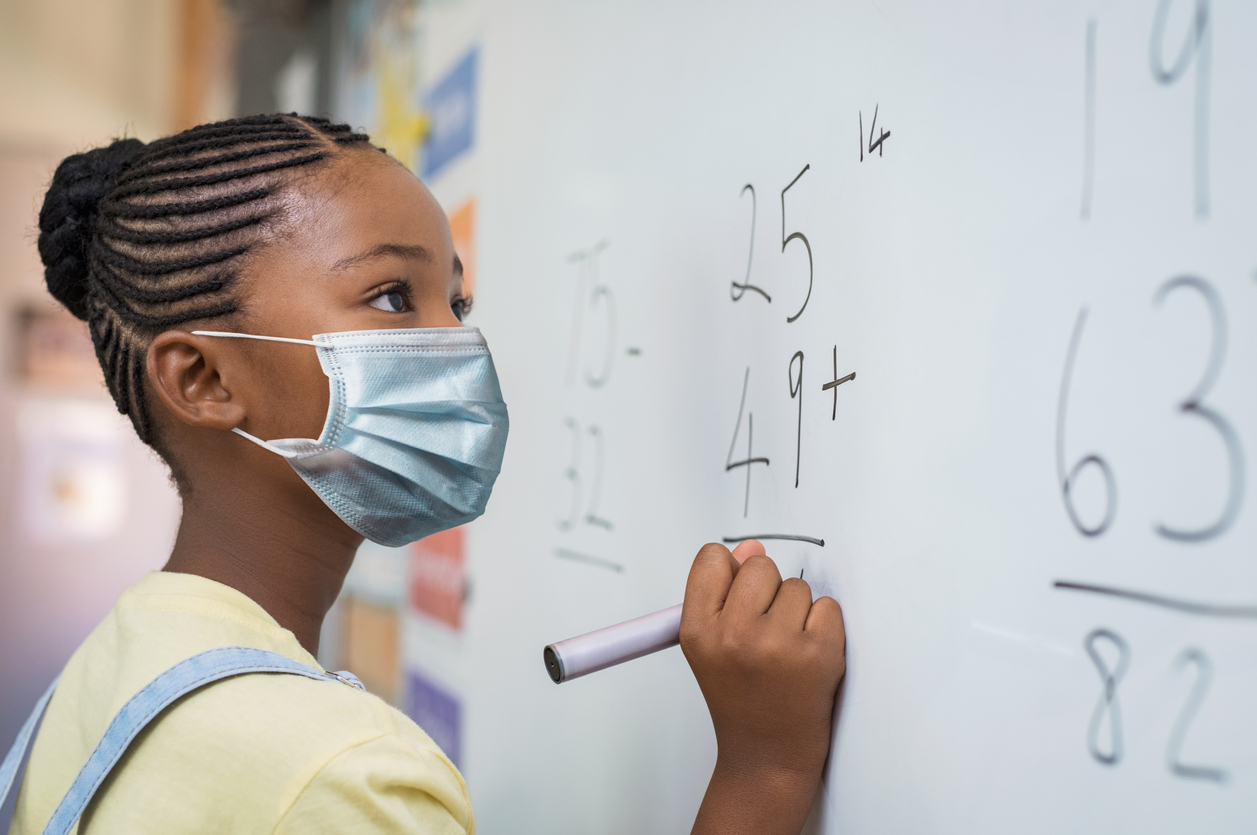
Wearing a mask to reduce the spread of COVID-19 has become the norm in every area of the society, and the classroom is no exception. As noted by the University of California San Francisco in a recent article, masks significantly block respiratory droplets. As a result, students may be required to always wear a face mask during classroom learning. Wearing a face mask in the classroom presents its own special set of challenges, especially if you are a student.
These challenges include:
Wearing masks the right way.
Remembering to keep your mask on throughout the day.
Finding a comfortable mask that does not affect your ability to concentrate during class.
Wearing a mask that doesn’t hinder conversations with other students in the classroom.
Adjusting to wearing a mask when the temperature makes the classroom warmer than usual.
Social Distancing
Social distancing presents one of the biggest challenges in the classroom. Remembering to maintain a one-meter distance from your best friend in the classroom, remembering not to whisper about school events, and remembering not to have discussions face to face in close proximity, represent some of the biggest challenges in terms of social distancing.
When you are excited about a discussion or an event, it is hard to remember to social distance. You may find yourself getting too close to other classmates without even realizing it. Try substituting conversation with hand gestures and visual class signals to maintain social distancing.
While adjusting to social distancing requirements in the classroom, group discussions may become a thing of the past. As noted by Understood, peer-to-peer teaching education may also not be possible, and your teachers may not be able to provide the same level of personalized attention that you may have become accustomed to, especially when you’re having trouble understanding a difficult lesson concept. Remember that teachers must practice social distancing in the classroom also, so do your best to adapt to different methods of teaching that your instructor might choose to incorporate into the classroom, to meet the requirements of social distancing.
The New Role of Teachers
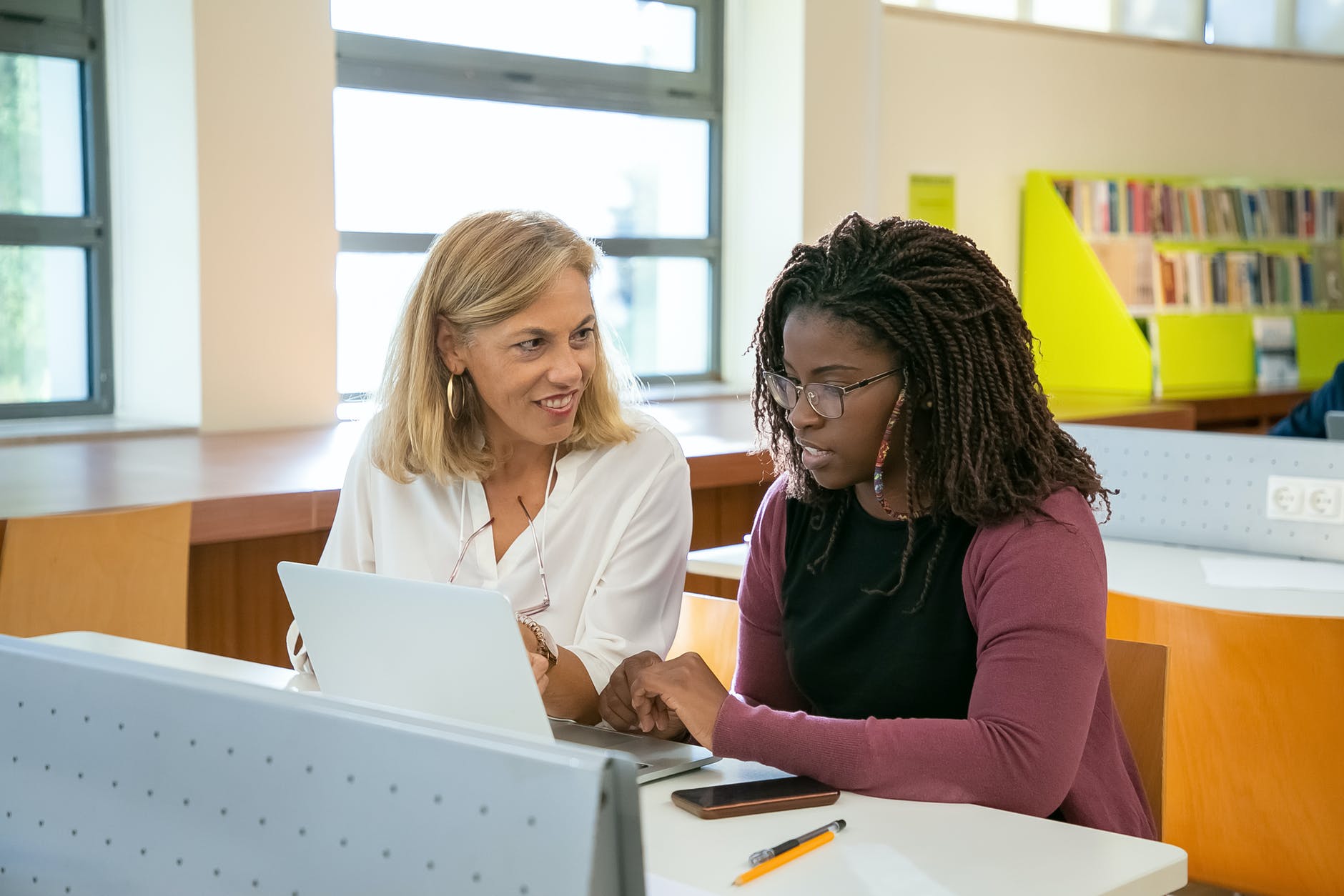
Teaching while adhering to COVID-19 guidelines in the classroom presents it’s only set of unique circumstances. As a student trying to adapt to the “new normal,” don’t be surprised to see your teachers take on extra roles and responsibilities, which may extend beyond teaching and handing out assignments.
Teachers may, for example, take on the task of ensuring that all students wear masks and maintain social distancing, while simultaneously trying to keep you and your classmates motivated to learn. Do your best to focus and concentrate during class time, as your teacher adapts to the changing educational landscape in the world of COVID-19.
School administrators, principals, and other stakeholders will now consider building a more resilient learning and assessment system following the impacts of COVID-19. Building a system suited to supporting decision-making, including resource allocation, will help your school handle future shocks and succeed in the classroom learning recovery process.
Student Examination and Certification
Adjusting high-stake examinations that are used for the certification of students as they proceed to the next level of education is one of the critical areas that you will need to address. As schools reopen for classroom learning, a large-scale assessment system is needed to address the new challenges in examination and certification caused by the pandemic.
Hybrid Online/Classroom Learning System
Adopting a hybrid model of learning is one way you can keep social distance and minimize the spread of the virus. Some students can learn from home, while others can participate in classroom learning in small numbers. Make sure that the groups of students do not mix as they attend their classes.
Regular Cleaning
Maintaining a clean environment is critical to learning in a safe environment. You will need to ensure that frequently-touched surfaces like door handles, sinks, and playground equipment are regularly cleaned. Also, classrooms will need regular cleaning and disinfecting of surfaces.
Upgrading of the school ventilation like the HVAC system improves air circulation. You will need to remind students participating in classroom learning to carry supplies like masks, sanitizers, and wipes to improve hygiene standards and not to share objects. You can also have extra masks and hand sanitizers in school.
Making adequate preparations to ensure that students learn in a safe environment will require a concerted effort from all stakeholders. Learning in a healthy space gives every student the peace of mind they need to excel in their studies. To learn more about health safety in school, enroll in the course that will educate you about “Learning in the Healthcare-Classroom (and ANY Other Classroom) (in Ten-Easy-Steps!)” The course is offered by Avidity Medical Design Academy.
Learning from home has been one of the ways students have continued their studies during the COVID-19 pandemic. Returning to in-person learning means students may have different levels of skills and knowledge, with the disadvantaged students exhibiting greater losses.
Teachers will need to develop ways to align instructions and offer extra support to where each student is in their learning path. If you are a teacher, here are some strategies that you can incorporate into classroom learning to help students focus on instructions, maintain clarity, and retain the lesson materials during the COVID-19 pandemic.
1. Learning Assessments
Learning and recovery will require gathering information about your students and evaluating it. This will help you find out what students know, what they understand, and what they can do. When you perform a classroom assessment, you can adjust your instructions to suit your students’ level. You can also provide constructive criticism that will help in learning recovery.
2. Repeat Previous Lessons
Repeating some lessons taught in class can help activate the students’ memory after the long break. It will also increase the retention of the lesson material and help students to focus more.
3. Talk About COVID-19 and Address Your Students Fears
When students come back to class, they may have certain fears stemming from a lot of information from different sources. These fears, if not addressed, may affect how the students learn and perform in class.
Reminding the students to consider their sources of information is one of the ways to address the problem. Letting them know that they can reach out to you and get in touch with an expert like a counselor will also help.
Students have been affected in one way or another by the pandemic, and as part of learning and recovery, teachers need to adopt new ways to effectively get back to classroom learning. The goal is for students to concentrate, maintain clarity, and retain information while dealing with pandemic restrictions.
Cholesterol is bad, right? Your doctor checks your cholesterol levels and reads off the numbers at every checkup, so it must be true. But let’s get into the nitty-gritty about cholesterol for just a minute.
Cholesterol is a waxy material. A little bit of cholesterol in your diet is actually good–it helps your body build cells. When too much cholesterol gets into your veins and arteries, they become clogged. The typical diet is full of high-cholesterol foods like chips and burgers and even eggs. For this reason, it’s important to take steps to help lower your cholesterol.
Your local grocery store is full of products that claim to help lower your cholesterol. We don’t endorse any of these products. However, if you are doing your own research, and you are interested in learning more about cholesterol-lowering foods, these 10 products might be a good place to start.
Metamucil: Not only does Metamucil claim to lower cholesterol, but these high-fiber products can also regulate your digestive system, help maintain blood sugar levels, and help manage weight.
Aristo Bars: These protein bars rely on plant stanols to fight against high cholesterol levels. They also contain heart-healthy Omega-3 Fatty Acids and fiber, which helps with digestion.
Minute Maid HeartWise: If you like orange juice, try reaching for this brand, which claims in two separate places on its packaging to help lower cholesterol.
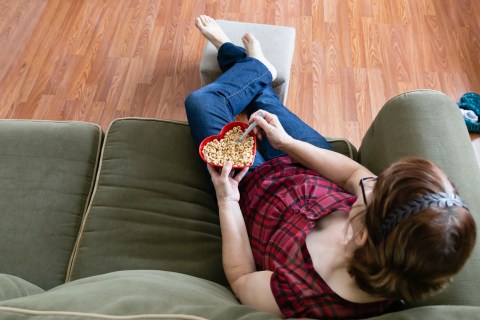
Cheerios: If you’re looking for a heart-healthy way to start your day, a bowl of cheerios might be a good idea. They’re a low-fat food that also claims to lower your cholesterol.
Smart Balance: This butter alternative not only lowers cholesterol, but also reduces your intake of trans fats when compared to regular butter.
Stonyfield Farm Smoothies: In addition to lowering cholesterol, these yogurts contain probiotics and prebiotics, which can improve gut health and aid in digestion.
Quaker Oats: A naturally healthy food, oatmeal improves cholesterol levels and aids with digestion.
Silk Milk: Soy is another product that is known to naturally lower cholesterol. Silk makes soy products that are vegan and dairy-free, which makes them a great choice for all diets.
Kellogg’s Smart Start: This breakfast cereal has oat bran, which can help lower cholesterol levels. It also contains prebiotics that can increase calcium absorption–a perfect pair for your morning milk!
Benecol: This brand uses plant stanols, which have been shown to reduce bad cholesterol levels. They make butter alternatives as well as soft chocolate chews.
Professionalism in terms of dealing with patients, coworkers, physicians, and other healthcare providers is critical for success in the healthcare field. This course teaches you how to learn professionalism in healthcare. Whether you are a student in healthcare or an experienced healthcare practitioner, this course will teach you what you need to know in order to be a professional in the healthcare setting, as well as how to continue to learn about additional elements of professionalism that apply to your specific role in the healthcare field. It is important to remember that learning does not begin and end with this course. You must continue to learn about new areas in your work as a healthcare professional that require professionalism, areas that may not be covered in this course.
The COVID-19 pandemic has caused a rollercoaster of emotions. The government and media have fueled both fear and optimism, as many unknowns collide in a confusing narrative influenced by political parties and conspiracy theories. It’s enough to cause a mental health crisis even for those least vulnerable to the virus. That is why it is important to maintain positive mental health during the COVID-19 pandemic. It takes some conscious effort, but you can stay sane during these worrisome times by taking the following actions.
5 Ways to Maintain Positive Mental Health During the COVID-19 Pandemic
1. Eat a Healthy Diet
What you put into your body comes out of your body in more ways than one. Processed foods, alcohol, and other unhealthy ingestibles stress your mind, your gut, and your metabolism. Many people neglect healthy eating habits when there is a crisis, but this pandemic is lasting too long to use it as an excuse for unhealthy choices. Mental health requires a clear mind, and eating poorly creates brain fog. It’s understandable to turn to snacks and other vices when things are uncertain, but it can have significant negative consequences.
2. Maintain a Consistent Schedule
When you are staying at home, it’s easy to remain in your pajamas all day, stay up late at night, and sleep in every morning. Pretty soon, being productive is no longer a reality. Even if you are going to work, getting up early and maintaining a steady sleep-wake cycle is good for your mental health because it fortifies life’s natural rhythm.
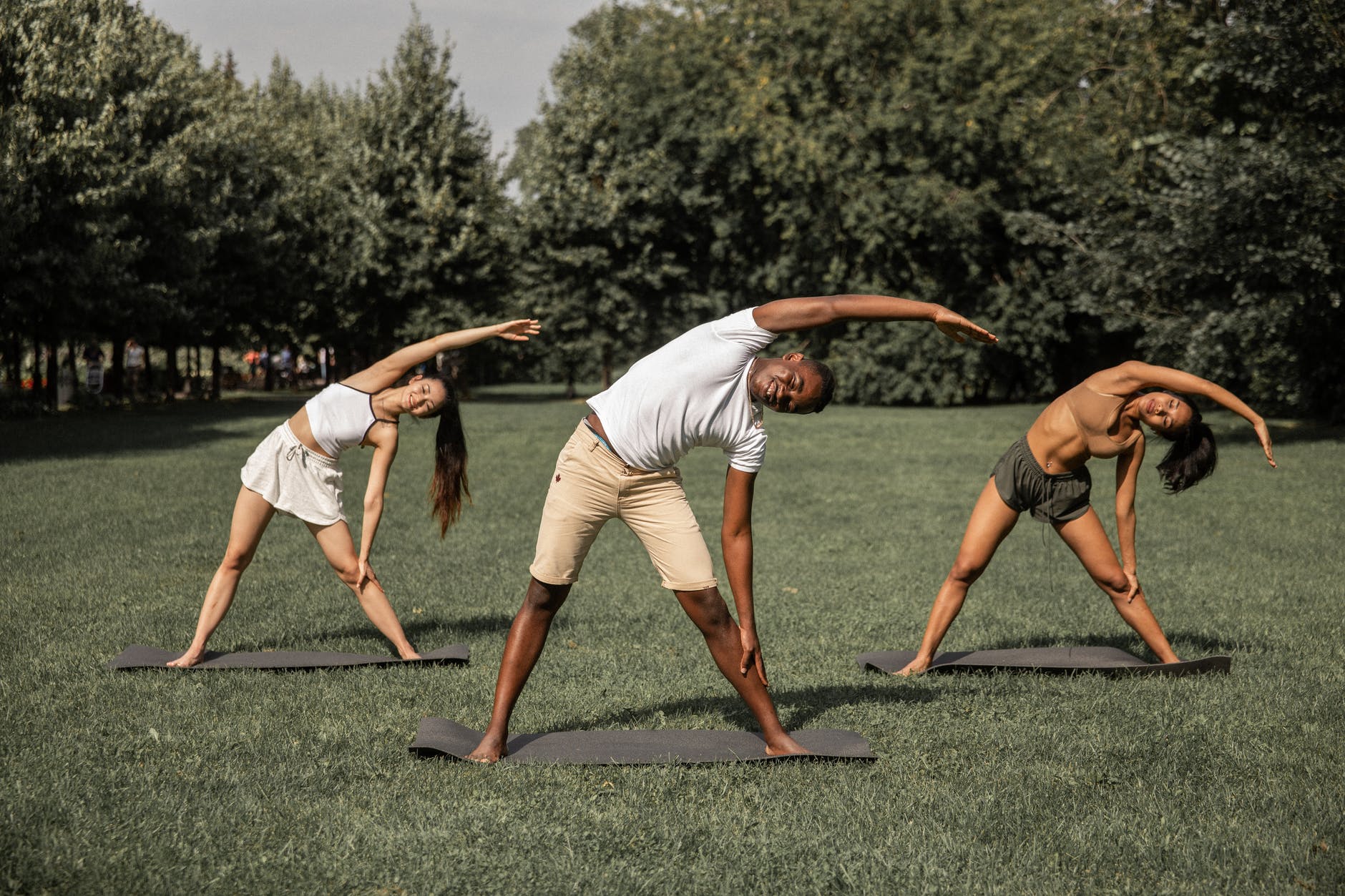
3. Exercise Regularly
Elevating your heart rate is good for cardiovascular health, but exercise also reduces stress and depression. A gym membership can do wonders for your physical and mental health. If you can exercise outdoors, even better. The sun will provide Vitamin D that protects your immune system.
4. Take a Break from the News
Between the news media, the election, and social media, there’s a lot of ugly on the internet. Many people require some connection to the online world in order to perform job duties, but everyone can benefit from a break. Unplug, even if only for a couple hours a day. Your mind will thank you.
Lastly, don’t try to hang on to toxic relationships. If you have someone in your life that is berating your choices during COVID-19 or who generally makes you feel bad about yourself, cut them out. Life is too short to waste energy on these people. Take care of yourself by requiring respect from everyone in your inner circle.
Positive Mental Health and Happiness are Possible, Even During the Pandemic
It is important to remember during this pandemic that positive mental health and happiness are possible during this time. The news is filled with tales of “unprecedented” and “dark” times, but you can still maintain your peace of mind, and your world can be whatever you choose to make it. Times can be hard, but taking care of yourself ensures the best possible outcomes. To stay up to date on the latest healthcare news, follow the Avidity Medical Design Blog.
With the arrival of COVID-19, hospitals and medical offices have seen an influx of patients. Medical administrators have also had to implement new policies and procedures to keep track of COVID-19 cases, protect doctors and nurses, and safeguard their patients as much as possible. For this reason, it is important to learn about the different COVID-19 medications that are being used today, and how they work to fight the infection.
Approved COVID-19 Medications
The following is a list of six medications that have all been approved to treat COVID-19. Each medication, however, is used to treat patients under specific circumstances. Let’s take a look at each of these medications, and how they are being used to treat COVID-19.
Remdesivir
You may have heard about remdesivir on the news. This antiviral drug has been used to treat malaria for years. Now, it is being used as a successful treatment for COVID-19, primarily for patients on supplemental oxygen. It interrupts the production of the COVID-19 virus and shortens the overall duration.
Baricitinib
When used in conjunction with remdesivir, baricitinib from Eli Lilly shortens the lifespan of COVID-19. Barcitinib was originally created to treat moderate-to-severe cases of rheumatoid arthritis. It blocks enzymes that cause inflammation and is only being used to treat patients receiving oxygen. It does not appear to be a successful treatment unless it is used in conjunction with remdesivir.
Dexamethasone
Dexamethasone is a corticosteroid that has been around for many years. It treats inflammation and acts as an immunosuppressant. This COVID-19 medication can potentially reduce mortality rates associated with the COVID-19. It mitigates the impact of the virus on the lungs and has led to lower mortality rates.
Convalescent Plasma
Many people who have recovered from COVID-19 have donated plasma. This is because their recovered plasma can be used to help other patients who have been diagnosed with COVID-19. It can both shorten the duration and lessen the severity of the virus by boosting the body’s immune response. The infusion takes about two hours and patients need to be closely monitored afterward.
ExoFlo
If you know someone who has acute respiratory distress, ExoFlo could be the answer. It is created from human bone marrow stem cells and triggers the body to reduce inflammation. This, in turn, helps the body begin to heal itself. It has been shown to reduce the mortality rate for patients with respiratory complications.
Monoclonal Antibodies
These antibodies fight COVID-19 by clinging to the virus and destroying it. It is commonly referred to as the Regeneron antibody cocktail, although both Eli Lilly and Regeneron currently make the antibodies that are being used as treatment. It is not recommended for patients who are receiving supplemental oxygen or are on a ventilator, as their condition could worsen.
More is being learned about COVID-19 medications every day, and as a result, we are seeing more medical breakthroughs. Promote healthy habits such as hand washing and social distancing. If you know someone who has COVID-19, or may have been exposed to someone with COVID-19, encourage them to seek medical advice, because there are multiple treatment options available.








 The Avidity Medical Design Blog