sexual health concept; african-american couple ignoring each other in bed

The Role of Sex in Healthcare: 10 Medical Conditions That Can Affect Your Intimacy

sexual health concept; african-american couple ignoring each other in bed

It’s easy to overlook your sexual health when dealing with a chronic illness, especially if you deal with acute symptoms that are more pressing. However,  intimacy is important to many people.  Discovering that you struggle to connect with your partner or get as much enjoyment out of sex as you once did can take a toll on your mental health. That’s why it’s important to be aware of chronic conditions that can impact your sex life and speak frankly to your doctor and partner about it.

10 Conditions That Can Impact Your Sexual Health 

1. Heart Disease

Heart disease, attacks, and failure can contribute to sexual health concerns because your heart doesn’t work optimally. You probably know that proper blood flow is necessary for a strong erection. However, blood is also the source of vaginal lubrication. The result? Low desire, performance problems, painful sex, and difficulty having an orgasm, all of which can lead to anxiety about sex.

2. High Blood Pressure

If you have high blood pressure (hypertension), you may suffer from sexual health issues in two ways. First, high blood pressure causes arteries to harden over time, decreasing blood flow. Diuretics and beta-blockers commonly prescribed to those with high blood pressure can also impede blood flow and sexual performance.

3. Diabetes

When it comes to diabetes, imbalanced blood sugar is just the tip of the iceberg. The condition can decrease desire and vaginal lubrication in women. Women with diabetes are also more susceptible to yeast and urinary tract infections which make sex painful.

Diabetes also poses potential ramifications for men because it lowers testosterone, a hormone that plays a role in sex drive. Furthermore, diabetes degrades blood vessels, making it more difficult to get hard. 

4. Arthritis

Because arthritis causes pain, swelling, and stiffness in at least one joint, it can make sex more painful and less pleasurable. This is especially true of positions and activities that are physically demanding. However, you may be able to adjust your activities to decrease pain so you can still enjoy sex. 

5. Depression

Not only does depression decrease interest in our favorite activities, including sex, but the medications used to treat it are notorious for impeding libido, erections, and orgasms. If you experience depression, treating it might alleviate your sexual health concerns However, if you find that your prescription impacts your sex life, discuss options with your doctor.

6. Allergies

You may not want to slip between the sheets when your eyes are itchy and your nose is running. But medications that provide relief may create sexual problems. This is particularly true of antihistamines because they dry out more than just your sinuses. The resulting painful sex can seriously dampen libido. Fortunately, you might still be able to have pleasurable sex by using a personal lubricant.

7. Cancer

Both cancer and chemotherapy can wreak havoc on your body. You may feel tired and weak, not to mention less than attractive, because of their harsh effects.  Low desire, erection problems, and vaginal dryness are all common with chemotherapy. Surgical interventions can also cause pain and scarring that can interfere with your love life.

8. Asthma

Unsurprisingly, sex can sometimes trigger an asthma attack that requires you to use an inhaler.  Of course, it’s not a big deal if you let your partner know that this might happen. Suggest positions that allow for easy breathing, and keep your inhaler within reach. People who manage their asthma well are less likely to have sexual health problems. 

9. HIV/AIDS

The human immunodeficiency virus, which can sometimes develop into acquired immunodeficiency syndrome, is inextricable from sex, which transmits it and suffers because of it. Some people may become abstinent because they don’t want to infect others or wish to avoid the stigma of HIV.  Rates of depression and anxiety, both of which impact sex drive and satisfaction, are higher for those with HIV than those without. Fortunately, there are ways to effectively treat HIV to prevent AIDS, improve patients’ quality of life, and prevent transmission to restore sexual satisfaction.

10.  COPD

Chronic obstructive pulmonary disease is one respiratory illness that can cause muscle weakness, fatigue, and decreased stamina, making sex undesirable, difficult, or painful. Sexual activity can also can shortness of breath that potentially leads to low blood oxygen levels (hypoxia). Some people have experienced relief by using their inhalers before become intimate with their partners.

Talk About Sexual Health

If you have one of the conditions listed above, don’t be ashamed to talk about your sexual health with your doctor. They can recommend treatments or medications that can improve not just your time in bed but also your overall quality of life. 

For more healthcare information, check out the Avidity Medical Design Blog or sign up for a course by the Avidity Medical Design Academy. For soaps and candles that support relaxation, peace of mind, and intimacy, visit Avidity Medical Scentations and sign up for product notifications to learn when the soaps and candles will be available.


Healthcare Candles and Soaps with Inspirational Messages for Health and Wellness! Visit Avidity Medical SCENTations!

Shop online for candles, soaps, and essential oil fragrances with inspirational health messages to help you relax and unwind after a long day. Sign up below to learn when these products will be available!

Avidity Medical SCENTations –

“Scented Soaps and Candles Inspired by Health Care.”


Robots in Healthcare: How Robots are Helping Patients in the Field of Healthcare

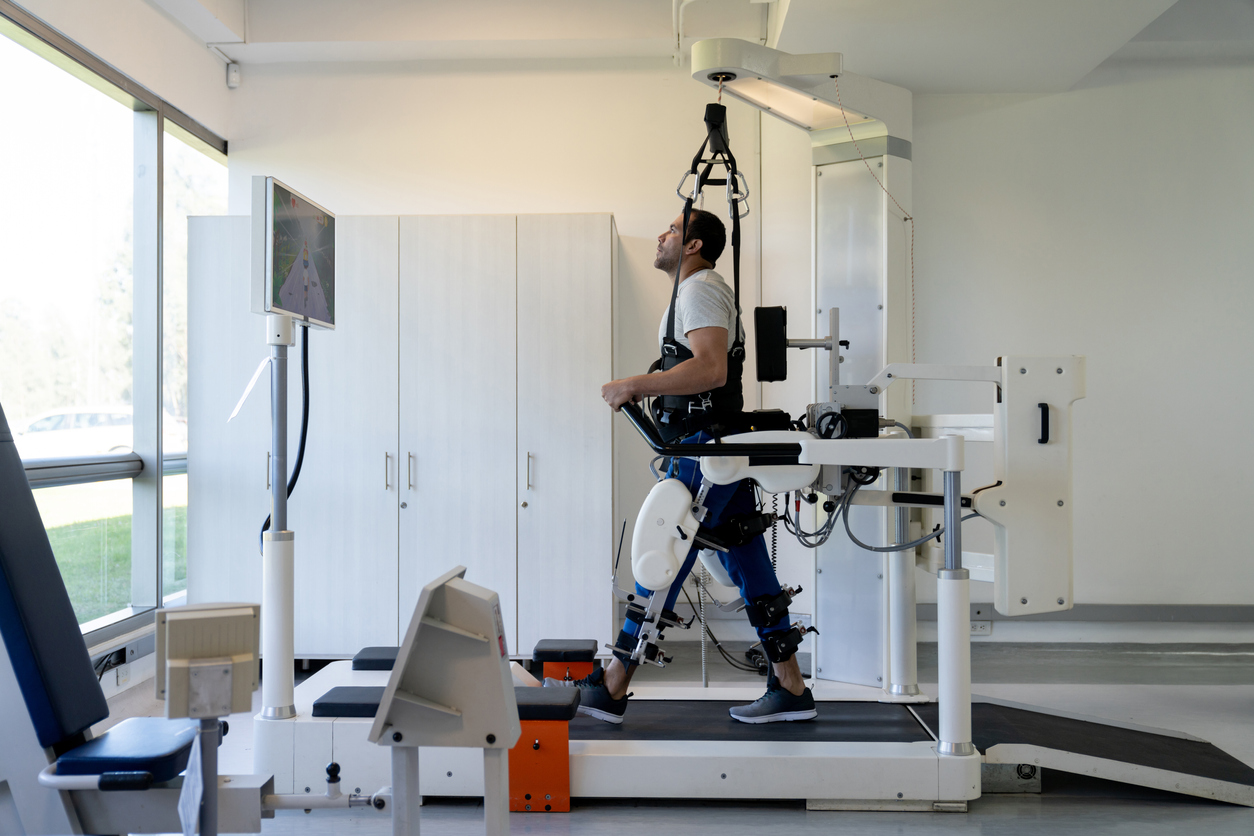
A man doing physical therapy by using an exoskeleton to walk on a treadmill

If you are interested in a career in the healthcare industry and have researched a bit about its future, you must have come across the use of robots in healthcare. These robots offer many possibilities that are beneficial to you as a healthcare worker as well as your patients. Robots can improve patient outcomes, while providing much needed help, but never replacing, healthcare professionals who constantly strive to optimize patient care. With this in mind, let’s take a look at how robots are helping to improve patient outcomes in the healthcare industry.

Robots in Action: From High Precision Surgery to Delivery of Medical Supplies

Healthcare robots are currently used primarily in surgical procedures and prosthetics. Robots are also used in other areas of healthcare, such as dispensing medication, disinfecting rooms, and delivering medical supplies, for example.

How Robots are Being Used in Healthcare

There are several different types of robots currently in use in the healthcare industry. If you are a patient, you might have encountered some of these robots in doctors offices or hospitals. The types of robots include:

  1. Surgical-assistance robots. These robots are used in high precision surgeries and minimally-invasive surgeries, such as chemical ablation and radiofrequency ablation. One example of a surgical-assistance robot can be found in the da Vinci Surgical System.
  2. Mobile robots are used in transporting patients, moving heavy loads, cleaning, and disinfection of rooms. A good example a mobile robot is the TUG autonomous mobile delivery robot, which is used to carry heavy machinery.
  3. Service robots track medical supplies, quickly set up rooms, and perform other general logistical tasks related to healthcare.
  4. Social robots are robotic care assistants. Physicians can use these robots to interact directly with patients if necessary due to time constraints. These robots can also reduce time-consuming and expensive home visits.
  5. Exoskeletons help with surgical procedures and assist in recovery. An example is the Hybrid Assistive Limb (HAL) exoskeleton that helps victims of stroke learn to walk again, and helps patients during the process of rehabilitation.

The Robot-Healthcare Worker Symbiosis

The important thing to remember is that, while there are fears that robots in healthcare might replace human staff, robots will never replace humans, and never replace doctors, nurses, and other healthcare professionals. Robots are only designed to help, not to replace, workers in healthcare. Also, from a financial standpoint, robots are currently expensive pieces of machinery, so it would not be cost-effective to replace all human workers in a health facility with robots. They also need to be programmed by humans, set up by humans, and monitored by humans, especially in relation to the test results that they produce and how they function in the clinical setting. If and when robots fail, the practical skills, creativity, and human decision-making skills must take over, in the form of the healthcare professional. Most importantly, patients will always require the human touch, when engaging with healthcare professionals, as well as a caring and sympathetic human, with a compassionate listening ear when describing medical issues and addressing medical concerns.

Robots in Healthcare and the Demand for Human Input

The programming, maintenance, monitoring of performance, and repair of robots in healthcare settings provides additional job opportunities for medical technicians. Medical technicians must program the robots, and ensure that they are performing correctly. As a result, healthcare workers will always be in demand to provide both the medical school knowledge and the hands-on medical experience needed to accurately monitor and interpret the behavior of robots, in addition to completing the tasks that are required of human beings in the healthcare environment. This creates new job opportunities for individuals who are in the medical field, and those who are training for future positions in the medical field.

How Healthcare Robots Help You and Your Patients

The use of robots in healthcare settings can enhance your career experience if you work in the medical field, and as stated previously, improve patient outcomes. The need for food and sleep does not hinder machines, unlike humans, and fatigue is not a factor when perform monotonous tasks for long periods of time.

In addition to these benefits, healthcare robots can perform tasks that may be potentially dangerous for human healthcare workers, such as testing solutions that might be harmful, and reducing exposure to highly contagious pathogens when used in a laboratory setting. This frees up time for healthcare workers to perform other tasks that need human interaction, such as spending more time caring for patients, and taking additional time to answer patient questions, time that may not be available without the extra assistance of the robot. This may be especially beneficial for elderly patients, or patients with hearing or speech impediments, that may require extra time to speak about medical issues during an office visit, fore example.

Patient Attitudes Toward Healthcare Robots

Unlike robots in manufacturing, healthcare robots are relatively new, and learning about how patients feel about robots being using in healthcare is also still relatively new. Some research suggests that most patients have a positive attitude towards robots, though it takes time to warm up to them.

With this in mind, what are your thoughts about robots being used in healthcare?

If you are a patient, how do you feel about a robot providing assistance to you at your next doctor’s office or hospital visit?

If you are a healthcare professional, do you think having a robot could help you in your work? Why or why not?

Leave a reply to these questions in the field below.

blue and silver stetoscope

Interested in Learning Medical Coding? Enroll in the Three-Part Medical Coding Series – Only $99.99 + Free Bonus Material – Enroll Now! – Buy 2 Get 1 Free – 100% Money Back Guarantee!

Medical coding is a field that is in very high demand. If you are interested in becoming a medical coder, this course teaches you the basics of coding in ICD-10-CM. In this course, you will learn the steps that you need to take in order to assign diagnosis codes in the clinical setting. Due to the extensive amount of material being covered, ICD-10-PCS, the procedure coding component, is being offered in a separate course entitled, “Medical Coding Series (Part II): How to Code Using ICD-10-PCS (with REAL WORLD Examples!).” A third course, “Medical Coding Series (Part III) How to Code Physician Records Using CPT (with REAL WORLD Examples!)” is also being offered as a separate course, due to the amount of material we will cover. Purchase the three-part medical coding series and learn all areas of coding.

Listen to the Medical Coding Course Series – Audio Podcast Now! Click Here to Sign Up Now!
black couple having conflict at kitchen

Are Toxic People Causing You Stress? Aggravating Medical Conditions? Learn How to Handle Stress Caused By Toxic People. Take an Online Course – Only $39.99 + Free Bonus Material – Enroll Now! – 100% Money Back Guarantee!

Are toxic family members causing you stress? Are toxic coworkers causing you anxiety? Are you having medical problems caused by dealing with stressful people? Do you want to know the steps you can take to protect your health when dealing with stressful people? If you are tired of dealing with toxic people, and it is causing you to have problems with your health, or you want to avoid having problems with your health due to the stress of dealing with toxic people, then this is the course for you. This course shows you how to avoid toxic people and live a healthier life. If you can’t avoid some toxic people, this course will show you how to deal with them when you encounter them. Family outings, business meetings, and other life situations mean potentially running into people that cause us stress. This course will teach you how to minimize or eliminate the stress caused by dealing with toxic people.

In this course, you will learn:

You will also receive a Free Action Plan with steps to help you continue learning about dealing with stress that may aggravate medical conditions after you finish this course, as well as additional resources to help you learn more about dealing with stress. For a limited time, enroll in this course for only $39.99. Get a full refund if you’re not completely satisfied. Don’t wait, get started today!


how to complete homework assignments in the online environment

Learn Basic Medical Terminology in 5 EASY Steps. Learn How to Understand Medical Terms Used in Everyday Living. Take an Online Course – Only $19.99 + Free Bonus Material – Enroll Now! – 100% Money Back Guarantee!

Most people have no idea how to interpret medical terminology. If you are entering the medical field, you will find many unfamiliar terms that may appear to be confusing at first. This course teaches you how to combine medical word parts to form complete medical terms. Medical terms that may initially appear to be complicated are very easy to learn and understand once you understand the parts that form the entire word. As you learn new medical terms, you will also learn how to apply each term that you learn to everyday life. This reinforces your knowledge and helps you remember what you learn.

Listen to “How to Learn Basic Medical Terminology” Podcast – Click Here to Sign Up Now!

In this course, you will learn:

You will also receive a Free Action Plan with steps to help you continue learning about medical terminology after you finish this course, as well as additional resources to help you learn more about medical terminology. This is especially important if you work in the healthcare field, or you plan to become a healthcare professional. Healthcare is constantly changing to meet the needs of patients, and understanding medical terminology is crucial if you work with patients either directly or indirectly. For a limited time, enroll in this course for only $19.99. Get a full refund if you’re not completely satisfied. Don’t wait, get started today!


crop unrecognizable male doctor with stethoscope

Learn How to Interpret the Contents of Your Medical Records. Understand How to Accurately Find and Correct Errors. Take an Online Course – Only $29.99 + Free Bonus Material – Enroll Now! – 100% Money Back Guarantee!

Most people have no idea what is in their medical files. Your medical files may have inaccurate information about your medical diagnoses; incorrect information about your medical surgeries and procedures; history data that you are unaware of; information on your minor children under age 18; and information that your employer may be able to access about you without you knowing about it. This course teaches you not only how to read and review your medical record, but also how to interpret the information that you are reading in your medical record, in order to locate any errors, get them corrected, and then confirm that the errors have been corrected. You will also learn how to obtain a copy of your medical record for free.

In this course, you will learn how to:

You will also receive a Free Action Plan with steps to help you continue learning about your medical record and how to keep it up to date after you finish this course, as well as additional resources that help you learn more about medical records. For a limited time, enroll in this course for only $29.99. Get a full refund if you’re not completely satisfied. Don’t wait, get started today!


crop focused hacker in hood using laptop

Want to Learn How to Protect Your MEDICAL Identity? Take an Online Course – Only $29.99 + Free Bonus Material – Enroll Now! – 100% Money Back Guarantee!

Listen to the Medical Identity Audio Podcast Now! Click Here to Sign Up for This Course!

Medical identity theft is one of the fastest growing crimes in the country. Millions of people are becoming victims of medical identity theft, and don’t even know it. Think about this: Imagine that a thief steals your medical identity. Imagine getting bills for doctor visits that you didn’t have. Imagine someone else’s diagnosis showing up in YOUR medical record. Imagine getting calls from collection agencies for bills that belong to someone else. This amazing course teaches you how to keep thieves from stealing YOUR medical identity and racking up bills under YOUR name. This course shows you 8 things you can do right now to protect your own medical identity.

In this course, you will learn how to:

You will also receive a Free Action Plan with steps to help you continue learning how to protect your medical identity after you finish this course, as well as additional resources that help you learn more about medical identity theft. For a limited time, enroll in this course for only $29.99. Get a full refund if you’re not completely satisfied. Don’t wait, get started today!


teacher asking a question to the class

How to Learn in the Healthcare Classroom (and ANY Classroom) (in 10 EASY Steps!) – Online Course – Only $19.99 + Free Bonus Material – Enroll Now! – 100% Money Back Guarantee!

Being able to learn and to remember what you learn is important if you are considering entering the healthcare field. This course teaches you how to learn any healthcare course in 10 easy steps. If you recently enrolled in an online program or a university, for example, you will learn strategies that you can use to help you master the healthcare subject that you are studying. Although the course is designed for healthcare students, the strategies being taught can be used in any classroom, regardless of the subject you are learning.

Podcast: “How to Learn in the Healthcare Classroom (and ANY Classroom) in 10 EASY Steps”

In this course, you will learn how to:

You will also receive a Free Action Plan with steps to help you continue learning after you finish this course, as well as additional resources that help you learn more to help sharpen your study habits and help you retain the information that you learn. For a limited time, enroll in this course for only $29.99. Get a full refund if you’re not completely satisfied. Don’t wait, get started today!


person in white long sleeve shirt holding injection

Want to Learn How to Be a Professional in Healthcare? – Take an Online Course – Only $19.99 + Free Bonus Material – Enroll Now! – 100% Money Back Guarantee!

Professionalism in terms of dealing with patients, coworkers, physicians, and other healthcare providers is critical for success in the healthcare field. This course teaches you how to learn professionalism in healthcare. Whether you are a student in healthcare or an experienced healthcare practitioner, this course will teach you what you need to know in order to be a professional in the healthcare setting, as well as how to continue to learn about additional elements of professionalism that apply to your specific role in the healthcare field. It is important to remember that learning does not begin and end with this course. You must continue to learn about new areas in your work as a healthcare professional that require professionalism, areas that may not be covered in this course.

In this course, as a professional in healthcare, you will learn how to:

You will also receive a Free Action Plan with steps to help you continue learning about professionalism in healthcare after you finish this course, as well as additional resources that help you maintain professionalism in your healthcare career. For a limited time, enroll in this course for only $19.99. Get a full refund if you’re not completely satisfied. Don’t wait, get started today!