
10 Easy Exercises You Can Do if You Are 65 or Older

senior-woman-doing-dumbbell-curls-with-physical-therapist-at-kitchen-table-with-teacups-and-vase-of-orange-flowers

Exercise is important at all stages of life, but it is especially important if you are a senior.  Seniors need exercise to maintain muscle mass, strengthen aging bones, increase circulation for blood flow to both the heart and the brain, and to help maintain balance to prevent falls.  You should try to exercise thirty minutes each day.  Here are 10 easy exercises you can do if you are 65 or older:

1.  Push the Wall.

Wall pushes strengthen your arms and chest.  To do a wall push, stand about three feet away from the wall, place your hands flat on the wall, then lean in and push back from the wall.  Complete this movement 10 times.

2.  Stand on One Foot.

This exercise is often called “The stork” and is used to improve balance.  Stand straight, and then lift one foot by bending the knee.  Hold the position for 30 seconds, then switch feet.  If you have trouble maintaining your balance, use a chair or the wall for support.

3.  Do Dumbbell Curls.

Dumbbell curls will strengthen your biceps.  Start with a light weight, such as 2 or 5 lbs., and then lift the weight toward your shoulder by bending your elbow.  Repeat 10 times with each arm.

4.  Lift Your Heels.

Heel lifts will stretch and strengthen your calves.  From a sitting position, keep your toes on the floor and lift your heels.  Repeat 20 times.

5.  Sit…Then Stand.

The sit/stand exercise is great for balance, but it will also strengthen leg muscles and the buttocks.  Start in a sitting position, then without using your hands, rise to a standing position.  Hold for 5 seconds, sit, and repeat 10 times.

6.  Do Toe Laps.

Toe taps will strengthen your lower legs and also increase blood flow.  Sit with your feet on the floor, and then with your heels still on the floor, slowly lift your toes until you can feel a comfortable stretch in your leg muscles.  Repeat 20 times.

7.  Stretch Your Neck.

Stretching your neck will release tension in your neck and shoulder area and increase strength.  Start by tipping your head forward until your chin touches your chest to stretch the back of your neck.  Next, tip your head to each side, leading with the ear to the shoulder.  Hold each stretch for 3 seconds.  Repeat 10 times.

8.  Lift Your Knees.

Knee lifts will strengthen your thighs.  From a sitting position, raise your knee so that the back of your thigh is 2-3 inches off the chair.  Hold it for 3-5 seconds, then place it back down.  Repeat 10 times, then switch to the other leg.

9. Raises Your Arms.

Arm raises will stretch your arms, shoulders, and back.  Place your arms at your sides from a sitting or standing position, then slowly bring them up, pausing for 3 seconds when they are extended out, then continue to lift them straight above your head, pausing for another 3 seconds when they are straight up.  Slowly return them to your sides and repeat 10 times.

10. Squat at Your Chair.

Stand with your feet apart, in front of a chair. Raise your arms, then squat down slowly in front of your chair. As you slowly move down to your chair, slowly return to a standing position. Chair squats help strengthen your hamstring muscles, as well as other key muscle groups.

In addition to these easy exercises, you can take daily walks, swim laps at the pool, or participate in senior group exercise classes like yoga or low impact aerobics at a local gym.  Staying active will lower the risk of heart disease, cancer, dementia, stroke, and other debilitating diseases and improve your overall quality of life.  For more information on other areas of healthcare, follow the Avidity Medical Design Blog.

10 Easy Things You Can Do To Sleep Well Every Night

woman-with-dark-hair-sleeping-on-side-in-bed-with-muted-dark-blue-linens

Sleeping is one of the most important things we do. Sleepiness decreases work and school productivity and can be dangerous when working with heavy machinery or while driving. According to the Center for Disease Control (CDC), about 35% of adults in the US average less than 7 hours of sleep per night, and almost 70% of high school students average less than 8 hours of sleep every night. This is concerning since poor sleep raises your chance of alcohol and tobacco usage, obesity, heart problems, respiratory issues such as asthma, depression, arthritis, diabetes, and even cancer. Clearly, sleep is important, but it’s also pretty easy to change your habits to get better sleep–here are 10 easy things you can do to help you sleep well every night.

Tip #1: Set a Strict Schedule.

If you’ve ever slept in all weekend and then struggled to get up on Monday morning, you know just how hard it is to fight your wake/sleep schedule, or circadian rhythm. Your body quickly gets used to a set schedule of waking and sleeping that is tied to your activity patterns and the transitions between day and night. One of the most important tips for helping you sleep well is to set a regular schedule so your body will know when you’ll be sleeping.

Tip #2: Create Your Own Personal Bedtime Routine.

One of the most crucial parts of your day is the last hour before you sleep. You should try to do the same things every evening, such as taking a warm shower, brushing your teeth, and getting into pajamas, which will cue your body that you’re about to go to sleep.

Tip #3: Turn off the TV, Phone or Computer.

As you get ready for bed, try to avoid spending time looking into lights like your TV, phone, or computer. Though it may be tempting to watch videos as you relax in bed, this kind of light keeps your brain alert, so opt for entertainment like podcasts or audio meditations that don’t require a lit screen.

Tip #4: Go Somewhere Else If You Can’t Sleep.

If you really can’t go to sleep just yet, or if you wake up during the night and can’t get back to sleep, go ahead and move to another room for work or entertainment. This will help remind your brain that bedrooms are for sleep, not for alert activities.

Tip #5: Make Your Bedroom as Dark as Possible.

At night in your bedroom, use blackout curtains and cover lights on electronics in the room to keep it as dark as possible for the best sleep. Conversely, during the daytime, stay in brightly lit rooms and get lots of sunlight to help align your circadian rhythm with the passage of time in nature.

Tip #6: Watch What You Eat.

Eating large meals, drinking alcohol or caffeine, and smoking cigarettes hurts your sleep quality. Whether you’re awake with jitters or indigestion, you won’t sleep as well as you would if you just drank water and ate a small snack in the evening.

Tip #7: Exercise Regularly.

By regularly exercising, you burn off excess energy and keep your mind and body active without the use of stimulants. 

Tip #8: Adjust Your Thermostat (Or Set a Thermostat Schedule).

Most people sleep well when the temperature of the room is in the mid 60s. Who hasn’t woken up in the middle of the night too hot or too cold? If you have a thermostat with a scheduling device built in, set the schedule to lower or raise the temperature at different time intervals during the night while you are sleeping.

Tip #9: Block Out All Noise or Use White Noise.

Whether it’s a dog barking or a partner snoring, noises tend to distract from a good night’s sleep. Use white noise from an app or fan to dull exterior noise, and wear earplugs if necessary. Also, if you have your phone at your bedside, make sure to silence it so you aren’t up all night with Twitter notifications.

Tip #10: Make Your Mattress and Pillow Comfortable.

Try to change your mattress out at least once every 10 years, and if you can’t afford a new one, you can make a firm mattress softer with a pillow-top insert or soft mattress firmer with boards under the bed. Find a comfortable pillow that fits your size, and spend a little extra on soft and breathable sheets and blankets. 

To learn more about different healthcare subjects, follow the Avidity Medical Design Blog.

To enroll in a healthcare course, visit Avidity Medical Design Academy.

Six-Part Health Series (Part 5): 10 Things You Can Do for Your *Family’s* Health in 2020

young-boy-smiling-while-sitting-in-lap-of-smiling-woman-in-home-near-window

In this age where most parents have to work long hours to make ends meet, and have to live paycheck to paycheck, raising a family isn’t easy. With this in mind, here are a few simple things you can do to help ensure your family’s health in 2020. 

1. Make Sure Your Family Washes Their Hands!

Washing your hands is the most basic thing you can do to keep unwanted germs from entering your system and making you sick. Skip the harsh antibacterials 24/7; save the antibacterials for work. Simple hand soap will do the trick. 

2. Be Sure Your Family Eats Healthier Foods More Regularly.

Fast food is convenient and tastes great. However, it is not a replacement for a nutritional meal. Get more of the fresh fruits and vegetables on your family’s plates and cut back on the processed foods. Your stomach will thank you. 

3. See That Your Whole Family Gets Yearly Checkups.

Even if nothing is wrong, yearly check-ups are essential for all members of the family. Many illnesses can be thwarted before they begin during a yearly checkup. 

4. Schedule Playtime.

Exercise is essential for cardio health. Increase the time you spend chasing the kids around. It will help your heart!

5. Treat Your Family to *Occasional* Snack Foods.

Deprivation only makes the want of the denied items stronger. Allow junk or snack foods occasionally. Everyone deserves a well-balanced treat!

6. Make Sure Everyone Gets Yearly Flu Vaccines.

Controversial, yes. However, vaccines can help prevent many diseases from entering your immune system. From measles to flu and chickenpox, these injections protect us. 

7. Stay at Home When You’re Sick.

It’s a no-brainer, but difficult to follow through. Stay at home when you are sick. Passing it on to another family isn’t a good option. Losing money and time at work hurts, but your work suffers as much as you do. 

8. Take Time Off Together.

Take the time to just be a family, whether it be vacation time, a weekend outing, or a holiday adventure. Just be with each other. It will increase your happiness and decrease stress. 

9. Increase Outside Activities.

Vitamin D is essential for calcium absorption. Increasing the amount of outside playtime increases vitamin D in your system. This can lead to stronger bones, not to mention better mud pies. 

10. Get More Sleep and Stay on a Regular Sleep Schedule.

Balance is the key. Your body rejuvenates itself while you sleep. Lack of sleep can cause major issues for both kids and adults. Hit the pillow early and wake up prepared for your day. 

You may already be doing some of these tasks at home. Incorporating others will help ensure your 2020 goes smoothly. Health is important to maintain for both you and your family. Follow the Avidity Medical Design Blog for more ways you can have a better 2020. 

Give Your Child the Gift of Health: 3 Good Health Habits To Teach Your Children From Day One

A pre-school age girl helps her dad pick out veggies in the produce section at the grocery store. He is holding her next to the produce and she is picking out eggplant.

As a parent, you are your child’s first teacher. Your child will carry the lessons that you teach them with you for the rest of their lives. These lessons will probably (and should, definitely) include healthy habits to ensure that your child lives a safe and happy life. Here are three good habits to instill in your child while they are young and some tips for making sure these healthy activities become habits that become a part of your children for the rest of their lives.

1. Teach Your Kids Good Hygiene

Depending on your child’s age, you are probably somewhere in between being fully responsible for their hygiene and being mostly removed from their cleanliness habits. While most adults understand the things that they need to do on a regular basis to maintain good hygiene, these habits are normally not instinctual, and they need to be taught. Teach your children the importance of brushing their teeth, washing their face, bathing regularly, and most importantly, bathing thoroughly. Teach them how to avoid using strong perfumes and other strong scents that may be offensive to others, especially in close quarters, such as riding on buses, trains, and planes, and sitting in the classroom.

Teach your children these life lessons about hygiene while they are still young, and you are still responsible for your their hygiene. As they grow older, make sure to continue to check in with them, verifying that they have maintained the habits that you taught them early on about maintaining good hygiene. Before you tuck them in at night, ask them if they’ve washed up and brushed their teeth. If they haven’t, it might be helpful to brush your teeth along with them until they get into the habit and becomes instinctual.

2. Teach Your Kids to Exercise Regularly

Part of being healthy is being active. Get your child interested in sports, or any activity that helps them become physically active on a regular basis. It is a good idea to show them that exercising can be fun, while they are young. As they grow older, they may lose interest in sports. If this is the case with your child, encourage them to go for a walk or find another activity that will get their heart rate up for at least 30 minutes a day. Make it a natural routine, so it won’t feel like an obligation, and exercise won’t feel like a chore, or an interruption in their daily routine later on, when they become adults.

3. Teach Your Kids to Eat Right

Establishing good eating habits early on, is an important part of maintaining your child’s health. While many kids don’t like to eat certain vegetables, such as broccoli or brusell sprouts for example, that doesn’t mean that they don’t want to eat any vegetables. Sometimes you can mix certain vegetables together, some they like, others they don’t like, to make eating vegetables more appealing to them during dinner. Make sure that your child understands the importance of fruits and vegetables and the difference between a healthy snack and a “treat,” something they get just once in a while.

It’s easier to form healthy habits than it is to undo unhealthy habits, so getting your child off to the right start in their journey to health is vital to maintaining their health later on.

For more information on maintaining good health by eating fruits and vegetables, enroll in the course entitled, “How to Prevent Disease in Your Body (By Eating Fruit and Vegetables!)” offered by Avidity Medical Design Academy.

For more informative articles on healthcare, be sure to follow the Avidity Medical Design blog.

Six-Part Health Series (Part 4): 10 Things You Can Do to Improve Your *Spiritual* Health in 2020

woman-with-blonde-hair-wearing-red-top-and-long-white-skirt-sitting-on-rock-in-meadow-while-reading-book

Your spiritual health is connected to your physical, mental, and social health. It is about having a connection with yourself, others, nature, and God (if you are religious). The results of spiritual health help people to live positive lives with purpose. Negative emotions like anxiety and sadness are reduced. It is important to work on improving your spiritual health in 2020 because it is essential to total body health, and you owe it to yourself to experience its positive effects as soon as possible. 

10 Things You Can Do to Improve Your Spiritual Health in 2020

1. Write.

Practice free-writing or introspective journaling to find out exactly who you are and what you value. Make a list of things that make you happy or people who are important to you. Focus on the positive. Instead of thinking about past mistakes or focusing on negative emotions, list the things you have learned from those mistakes and activities that help you to overcome negativity. It is easy to get stuck in our own heads, and a pen and paper is a perfect way to get it out and experience some self-realization. 

2. Meditate.

Focusing on the present while removing the past and future is an exercise in freedom from worry and expectation. Mindfulness gives your mind a break from responsibilities and limitations. It allows you to focus on the most important thing a person can experience – inhaling and exhaling. Your mind can relax when it knows it is accomplishing its primary purpose of maintaining life. Once a person has meditated, he or she is more able to identify and appreciate spirituality. 

3. Do Yoga.

Any sort of exercise can lead to improved spirituality because of stress reduction, but yoga is particularly effective because of the focus on the self. It is not something you do with headphones or other distractions. Instead, it is a complete focus on the connection you have with your own body. 

4. Volunteer.

Helping others is a focused pathway to spirituality because it prioritizes community connections and a willingness to work for others without expectation of anything in return. The positive notion of this feels good because it elevates your capabilities beyond caring for only yourself and the people you love.  

5. Travel.

Seeing and interacting with people around the world makes one realize how each person on the Earth is important and how wonderful our diversity is. It makes the world a little smaller and less overwhelming. Depending on your travels, it is also possible to develop deep caring for people in less-fortunate areas of the world. You’ll find yourself connected to everyone in a collective humanity that makes you feel part of a greater whole. 

6. Socialize.

Spend time with your friends and family or people who make you feel happy. Don’t neglect your social activities. You are a part of society, and the benefit is reciprocal. Spending time with your friends reinforces your sense of community connection, which is essential for spiritual health. 

7. Pray.

Prayer is a recognition of your spirituality and a positive way to spread happy thoughts. It is typically religious, but it doesn’t have to be. If you are having trouble with prayer because you aren’t religious, practice self-talk (silent or verbal) about your thankfulness, and send wishes to those who you hope will experience better times. If you are religious, communication with God establishes solidarity in your convictions. 

8. Walk.

Experiencing nature is a very spiritual activity, so going for a walk or a hike is an excellent way to improve your connection with life on this planet. It also gives you time with your own thoughts, which can have a meditative effect. 

9. Unplug.

You don’t have to turn off your Facebook account or literally unplug your television. However, taking a break from these items gives you some peace and quiet. Occasional silence is calming, and it disconnects you from the worries and influence of media platforms. 

10. Make Something.

Lastly, creating something new is a great way to improve spirituality because it reaffirms your capabilities and your worth. You may choose to create a table or a tool, or you may choose to create something artistic like a painting or a composition. Your spirituality will be heightened by the act of creation, and you will bask in its glow. 

The new decade is a perfect impetus for improved spiritual health, and the effects of this health will extend to your mental and physical health. You’ll feel affirmation about your place and purpose in this world, which will reduce negativity and leave you with more happiness. 

If you like what you’ve been reading, visit Avidity Medical Design’s blog and get more helpful tips on improving your health.

Six-Part Health Series (Part 3): 10 Things You Can Do For Better *Emotional* Health in 2020

young-man-sitting-on-ground-against-tree-while-meditating-with-hands-resting-on-knees-cross-legged
Reduce stress and reconnect to your body with meditation.

Emotional health impacts your physical health and your overall happiness, yet it is a difficult thing to improve without purpose. The steps to better emotional health will help to bring you calmness and inner peace. This doesn’t mean you won’t ever have a bad day, but it means you will be able to better cope with bad days and fully enjoy the good things in life. 

10 Things You Can Do For Better Emotional Health in 2020

1. Sleep Well.

When you aren’t sleeping well, you may become irritated or angry more easily. It also decreases your ability to handle stress. This decrease in coping ability leads to poor emotional health. Over time, it can also impact physical health. 

2. Eat Right.

There is evidence that concludes that the food you eat can impact your emotional health. Getting proper nutrients makes you feel good, and this improves mood. Conversely, meals high in unhealthy fats or toxins can make you feel sluggish and depressed. 

3. Exercise Regularly.

When you exercise, your body releases endorphins. These chemicals reduce anxiety and improve mood functions. They also increase self-esteem. Regular exercise is also good for your physical health and body image. 

4. Meditate Consistently.

Any exercise in mindfulness is a benefit to emotional health because it gets us out of our heads and back to a healthy emotional center. If formal meditation is not appealing to you, go for a walk or do some gardening. Anything that keeps the body busy so that the brain can have a break is a positive action. 

5. Connect with Friends or Family.

In today’s consumer-driven world, we often are tricked into thinking it is our belongings that give us happiness. This is not true, and it is other people and our connections to them that drive happiness. If you are feeling isolated, reconnect with friends or family to regain your sense of community and support. 

6. Learn to Say No.

While some people need to reconnect for emotional health, others need to disconnect. It is okay to say no when asked for help. If you are stretched too thin because you are helping others, learn to say no. You need to practice self-care for a little while and then get back into help mode. 

7. Don’t Judge.

Judging others is an unhealthy activity for your emotional health and doesn’t produce any good results. You can’t possibly put yourself into someone else’s shoes, and most of the time, their actions aren’t of any consequence to you. Instead of judging, listen and offer help when you can. 

8. Appreciate the Here and Now.

Many of us are constantly trying to improve ourselves. We want to be thinner, richer, and more popular. In reality, what you’ve got right now is underappreciated. You have a life, and you can improve it. Appreciate the present and the future, and your emotions will migrate to a more positive place. 

9. Volunteer to Improve Your Emotional Health.

Helping others improves your emotional health because it feels good and you are no longer focused on your own stress. Volunteering is a pro-social way to help others that builds connections and yields happy results. 

10. Take Time for Yourself.

Taking time for yourself does not mean wasting time watching television. It means investing your time in a hobby or event that will make you feel like you again. If this means a spa day, great. If it means finishing a project, even better. Taking time for yourself means prioritizing yourself, so you don’t feel like you’ve been run over by life. 

These 10 steps are pretty straightforward, and if you invest some time on each of them, you are surely going to improve your emotional health. Not only will you experience less extreme emotions, but you’ll be a happier person with a renewed sense of calm. 

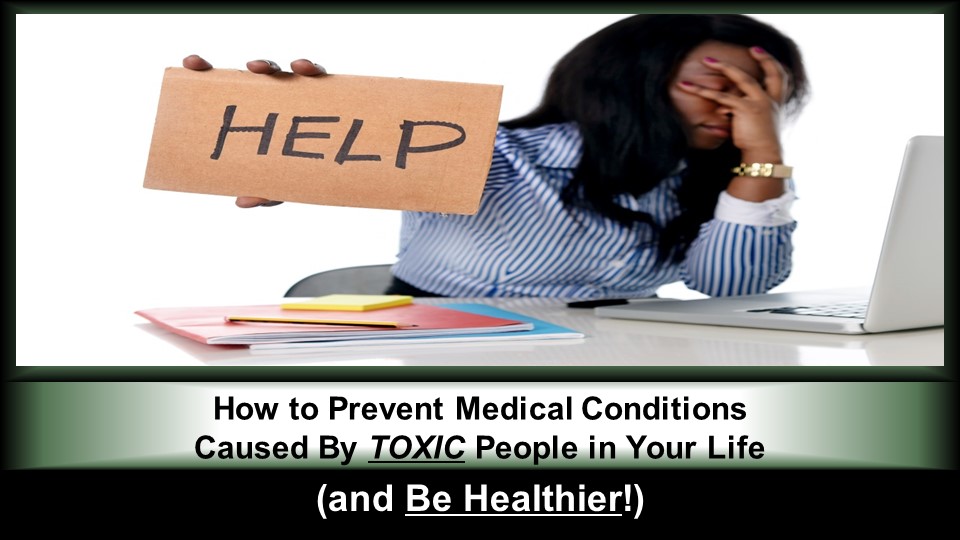
For more help with improving your emotional help, check out Avidity Medical Design Academy’s course entitled, “How to Prevent Medical Conditions Caused By TOXIC People in Your Life (and Be Healthier!)

Six-Part Health Series (Part 2): 10 Ways to Protect Your *Mental* Health

It is easy for us to concentrate on our physical health when we see problems. If we are starting to gain more weight, we can watch what we eat more carefully. If we have the flu, we can see our doctor and help to curb some of the symptoms. It is a lot harder for us to recognize when our mental health is suffering. However, our mental health is just as important, and can actually impact our physical health. 

Our mental health affects our daily lives by influencing how we feel, think, and even how we behave. So often, we think that mental health only refers to a person that is experiencing a mental illness. In actuality, we all need to concentrate on our mental health to protect the positive characteristics that help us to thrive in today’s world.  

Here are 10 ways that you can start to protect your mental health in 2020:

1. Find a Therapist

Couple speaking to therapist regarding mental health issues. From the Avidity Medical Design Blog.
Couple speaking to therapist regarding mental health issues.

When we get a physical illness, we see our doctor. Adding a behavioral health expert to your team can help you to maximize your mental health and find ways that work for you to deal with stress in daily living.

2. Set Boundaries

Learning to say “No” is an important skill for your mental well being. Decide what is most important to you and use that knowledge to prioritize requests from others. Determine what to delegate or negotiate when you are asked to commit your time and energy to something that isn’t important to you.

3. Spend Time in Nature

Connecting with nature helps our bodies to relax and appreciate the world around us. So, find some time to get outside and let your mind and body recharge.

4. Laugh Out Loud

Have you noticed how often kids laugh out loud? Now, think about the last time that you allowed yourself the same outlet. Humor is a great stress reliever, and the physical action of laughing out loud makes the perfect mind and body connection.

5. Give Yourself a Pep Talk

Have you noticed that the voice in your head is a lot more critical to you than you would ever be to a friend of yours? Learning to be more positive in our self-talk is an important skill in mental health. Check out this Ted Talk video on how to improve positive thinking

6. Be Grateful for What is Going Well in Your Life

Taking time to appreciate the positives in our lives is another important skill. At the end of each day, take a moment to list 3 things that you are grateful for today.

7. Connect with Others

A group of students keeping in contact with other people online. From The Avidity Medical Design Blog.
A group of students keeping in contact with other people online.

Make time to keep in touch with people who are special to you. A phone call to chat with someone can change your mental outlook.

8. Take a Daily Break

Start a pattern of taking a daily break to recharge. This can be anything from doing meditation to singing out loud in the car or taking some time to read a book. Look for something that will fit into your day and break up the pattern of building stress.

9. Get More Sleep

Making sleep, nutrition, and exercise a priority in your life is another building block to positive mental health. 

10. Try Something New

When you find it hard to motivate yourself to work on your mental health, try to do something completely new for you. Your mind will kick into overdrive by concentrating on learning this new activity. Trying something new can change your daily routine for the better.

The mind and body connection is an important bond for all of us. Taking time to work on protecting your mental health is an important step in your well-being. To learn more about different health subjects, follow the Avidity Medical Design Blog.

Six-Part Health Series (Part 1): 10 Things You Can Do for Better *Physical* Health in 2020

Physical health is important in order to have a happy and fulfilling life. The choices we make can help to enhance our physical health. This year, instead of making a strict resolution you won’t be able to keep, try to do these 10 simple things for better physical health in 2020.

1. Get Outdoors

Getting outdoors isn’t just about being physically active, but that is one of the benefits. When you are outdoors, you also get sunlight. The benefits of sunlight include boosting the body’s vitamin D levels, which helps the body to use calcium and can improve the immune system.

2. Exercise More

Most of us have inactive occupations and spend a lot of time at a desk or counter. This is why formal exercise is crucial to cultivating better physical health. You should get 30 minutes a day for cardiovascular health. A brisk walk is enough to keep your heart rate at an optimal level, but a variety of intense versus moderate exercise will yield the best results. 

3. Drink More Water

Getting enough water is important for physical health because our bodies are made up of mostly water. There are many benefits to drinking a healthy amount of water, which is approximately 3 liters a day. Without enough water, you could become dehydrated, which makes you feel fatigued and ill. 

4. Eat Fresh Vegetables

Vegetables are full of vitamins and fiber, and they are low in calories. This means the inclusion of more vegetables in your diet will aid in weight control and ensure that your body is getting proper nutrients. 

5. Wear Quality Shoes

When you think of physical health, pain is a common topic. People in physical health are able to move freely, and their bones and joints aren’t stiff. Quality shoes can do a lot to maintain physical health by improving gait and providing adequate support. 

6. Do Some Physical Stretching

Stretching improves mobility, reduces soreness, and improves blood flow. It may help reduce the risk of injury, and it feels good to loosen up tight muscles and get your blood circulating.

7. Include Fiber Supplements in Your Diet

Physical health involves being able to move freely inside and out, and getting enough fiber will keep your bodily functions regular and prevent disease. Fiber will make you feel full longer, so it also aids in weight control. One way that you can add more fiber into your diet is by including Benefiber. For adults, adding two teaspoons of Benefiber three times daily, into your coffee in the morning, or adding some Benefiber to your juice, soda, salad, or soup, is an easy way to get more fiber into your diet. For children ages 6 to 11, you would use half the recommended dose. If you are pregnant or nursing, you would need to consult your physician before adding Benefiber to your diet. You can also buy a box of Benefiber On The Go packets, and keep a few packets of Benefiber On The Go in your purse or in your wallet, and sprinkle it into your food or drink if you happen to be dining out, to make sure you’re including fiber in your diet, even if you happen to be away from home.

8. Maintain a Consistent Sleep Schedule

Getting enough sleep, and maintaining a consistent sleep schedule by getting up and going to bed around the same time each night (including on weekends), reduces stress on the body and allows your body to repair itself. It also reduces the risk of cardiovascular disease and can help in weight loss. 

9. Invest in Ergonomics

Part of maintaining physical health is simply being nice to your body. Use it properly, and it will work better. This means investing in quality beds and chairs, and it means sitting correctly at the computer. Ergonomics can play a large role in creating better physical health practices. 

10. End Unhealthy Habits

Lastly, don’t drink, smoke, or do drugs. There are a few other unhealthy habits out there that could be included on this list, but you get the gist of it. These things do damage to the body, and you cannot be physically healthy while engaging in any of these behaviors. 

Physical Health = Happiness

People who want to be happy typically include physical health in part of that happiness. Improving physical health involves behavioral change, and these 10 things can put you on the path to success. 

Plate of healthy food

5 Health Questions to Ask Yourself Before You Start a New Diet

Plate of healthy food

You’ve heard about this great new diet, and it’s promising real results. You hope this diet will work, after having tried so many others before it, and you’re thinking about trying it out, just to see what it’s all about. Before you try out your new diet, one that may or may not work, ask yourself these 5 important questions to make sure that the diet is safe, and to make sure it’s the right diet for you.

1. Does your new diet eliminate certain food groups?

When you start to review the details of your new diet, ask yourself this question: Does the diet require you to eliminate a specific food group, or does it require you to add more of a certain food group? The majority of diets have you eliminating carbs and sugar. At first, this seems like a great solution and you might see quick results when you eliminate breads, sweets, cereals, etc. The problem is that, even after just one month, your body is going to start to react to this change and approach it’s nutrition like it’s in starvation mode. It’s going to take its store of sugars from your muscles and your liver and then it’s going to tell your digestive system to hold as much sugar as possible because you are depriving your body of this component. Now you will start to gain weight as your body starts making more fat. Instead, look for a diet that includes a well-rounded mix of the vital nutrients that your body needs to stay healthy.

2. Does your new diet promise that you only need to make a temporary change?

Does your new diet give you a way to change your eating plan for a short time, and then promises that you can return to your normal eating pattern after you lose the weight? You’ll have short-term “success” for about 6-8 weeks, and then when you go back to your normal way of eating, you will most likely gain all of the weight back, and possibly gain additional weight, as your body tries to adjust to the rapid changes. Instead, look for a diet that teaches you how to eat for life with healthy results. Consider a diet that includes more fruits and vegetables. To learn more about this type of diet, enroll in the course entitled, “How to Prevent Disease in Your Body (By Eating Fruits and Vegetables!),

Listen to a sample lecture from this course. Click here to take the full course for only $19.99!

Lecture 12 from “How to Prevent Disease in Your Body (By Eating Fruits and Vegetables!)”

3. Is it one size fits all?

Most plans are designed for a woman approximately 5’4″ who does moderate exercise. If you don’t fall into this category (i.e., if you are taller or shorter, or if you do more or less exercise, or if you are a man, etc.), you may not achieve the results you want. Instead, look for a diet that teaches you how to modify the plan to fit your specific characteristics.

4. Can I dine out?

Does your new diet allow you to eat out and still make good food choices that will fit into the diet? If not, you have 2 options: a) don’t eat out anymore; or b) go off the diet each time you are going out to lunch or dinner. Neither answer is going to help you stay on the diet long term. Instead, look for a diet that teaches you the skills to choose foods on the menu that fit into your new diet permanently.

5. Do you have to buy special foods or special drinks to stay on the diet?

It may be easy to choose a diet that gives you exactly what you need to eat in the exact portions. You may get a shake that has everything you need to replace a meal, or you may get snacks and supplements to help you stay on the diet. Unless you are prepared to purchase these items for the rest of your life, you increase the chances of failing on your new diet and regaining the weight, when you try to go back to foods that you can buy on your own. Instead, look for a diet that uses a meal plan that you can shop for in your local supermarket.

Before you begin a new diet, ask your doctor for advice on choosing the right diet, especially if you have one or more medical conditions that may need to be closely monitored, or that may be affected by starting a new diet, especially a diet that requires you to eliminate or add certain food groups. By checking with your doctor first, you can develop a comfortable long-term eating plan that balances your unique medical and nutritional needs with a plan for long-term success in terms of taking the weight off and keeping it off. 

For more informative articles on many different healthcare subjects, visit the Avidity Medical Design Blog.
To take an online healthcare course, such as “How to Prevent Disease in Your Body (By Eating Fruits and Vegetables!),” visit Avidity Medical Design Academy.

Shot of a young medical practitioner using a digital tablet in a hospital

How to Stay Healthy If You Work in the Hospital

nurse holding patient's hand

You’ve just been hired for a new job in healthcare. Your new position involves working in a hospital in your area. It doesn’t matter whether you are working as a doctor, as a nurse, as a therapist, as a medical coder, or as a receptionist in patient scheduling or patient registration. If you work in a hospital, and you interact with patients at any level throughout the day, you have to take steps to keep yourself healthy, not only for the sake of your patients, but for the sake of yourself, your friends, and your family members as well. Staying healthy means walking a fine line between balancing your responsibilities in terms of caring for other people’s health with taking care of your own health. The unfortunate truth is that you have a lot working against you. Since the vast majority of patients are sick people, since they are coming to the hospital, this means exposing yourself to numerous communicable diseases and conditions, especially if you interact with patients, as well as other staff members.

Here are some things you can do to try to minimize your risk of getting sick in the hospital (and consequently becoming a patient yourself):

Hospital Work Can Be Stressful

If you are new to working in a hospital, it means not only opening yourself up to potential physical illnesses but also opening yourself up to potential mental issues as well, in the form of stress. Although for some positions, a stressful job with long work hours typically “goes with the territory,” so to speak, some jobs are more stressful than others, especially in the hospital setting.

Work stress is associated with a number of physical and medical issues, including:

  • Weight gain, possibly leading to obesity.
  • Stomach problems.
  • High blood pressure.
  • Headaches or migraines, depending on your stress level.
  • Fatigue or insomnia.
  • High cholesterol.
  • Worsening health conditions that may already exist, apart from working in the hospital setting.

Stress on the job is also associated with mental health issues such as:

  • Inability to focus.
  • Irritability.
  • Depression.
  • Anxiety.
  • Isolationism.
  • Drug and alcohol use.

If you work in a hospital, you may be more susceptible to the effects of stressful situations, especially if your work involves caring for patients in life-or-death situations.

Maintaining healthy exercise and eating habits can help you minimize the effects of physical illness and work-related stress, especially if your stress involves making decisions on behalf of patients in crucial situations where time is of the essence. Maintaining a healthy personal life outside of work can also help you operate at maximum efficiency when you’re on the job. Starting a new job in a new hospital means a fresh opportunity to start off right. 

woman doing meditation at park during sunrise

Also consider doing deep breathing exercises, meditation, yoga, and other relaxation techniques to stay balanced, focused, stress-free (to the greatest extent possible), and most of all, on track, even if you do not work directly with patients.

Maintain a healthy social life outside of your job, that doesn’t conflict with your work schedule. Take a vacation by yourself if you choose to, without family members or friends at the beach or on a faraway resort, just to unwind, regroup, regather, and refocus.

For more informative articles on healthcare, visit the Avidity Medical Design blog.

To enroll in an online course in healthcare, visit Avidity Medical Design Academy.