Being able to learn and to remember what you learn is important if you are considering entering the healthcare field. This course teaches you how to learn any healthcare course in 10 easy steps. If you recently enrolled in an online program or a university, for example, you will learn strategies that you can use to help you master the healthcare subject that you are studying. Although the course is designed for healthcare students, the strategies being taught can be used in any classroom, regardless of the subject you are learning.
Podcast: “How to Learn in the Healthcare Classroom (and ANY Classroom) in 10 EASY Steps”
Professionalism in terms of dealing with patients, coworkers, physicians, and other healthcare providers is critical for success in the healthcare field. This course teaches you how to learn professionalism in healthcare. Whether you are a student in healthcare or an experienced healthcare practitioner, this course will teach you what you need to know in order to be a professional in the healthcare setting, as well as how to continue to learn about additional elements of professionalism that apply to your specific role in the healthcare field. It is important to remember that learning does not begin and end with this course. You must continue to learn about new areas in your work as a healthcare professional that require professionalism, areas that may not be covered in this course.
With the arrival of COVID-19, hospitals and medical offices have seen an influx of patients. Medical administrators have also had to implement new policies and procedures to keep track of COVID-19 cases, protect doctors and nurses, and safeguard their patients as much as possible. For this reason, it is important to learn about the different COVID-19 medications that are being used today, and how they work to fight the infection.
Approved COVID-19 Medications
The following is a list of six medications that have all been approved to treat COVID-19. Each medication, however, is used to treat patients under specific circumstances. Let’s take a look at each of these medications, and how they are being used to treat COVID-19.
Remdesivir
You may have heard about remdesivir on the news. This antiviral drug has been used to treat malaria for years. Now, it is being used as a successful treatment for COVID-19, primarily for patients on supplemental oxygen. It interrupts the production of the COVID-19 virus and shortens the overall duration.
Baricitinib
When used in conjunction with remdesivir, baricitinib from Eli Lilly shortens the lifespan of COVID-19. Barcitinib was originally created to treat moderate-to-severe cases of rheumatoid arthritis. It blocks enzymes that cause inflammation and is only being used to treat patients receiving oxygen. It does not appear to be a successful treatment unless it is used in conjunction with remdesivir.
Dexamethasone
Dexamethasone is a corticosteroid that has been around for many years. It treats inflammation and acts as an immunosuppressant. This COVID-19 medication can potentially reduce mortality rates associated with the COVID-19. It mitigates the impact of the virus on the lungs and has led to lower mortality rates.
Convalescent Plasma
Many people who have recovered from COVID-19 have donated plasma. This is because their recovered plasma can be used to help other patients who have been diagnosed with COVID-19. It can both shorten the duration and lessen the severity of the virus by boosting the body’s immune response. The infusion takes about two hours and patients need to be closely monitored afterward.
ExoFlo
If you know someone who has acute respiratory distress, ExoFlo could be the answer. It is created from human bone marrow stem cells and triggers the body to reduce inflammation. This, in turn, helps the body begin to heal itself. It has been shown to reduce the mortality rate for patients with respiratory complications.
Monoclonal Antibodies
These antibodies fight COVID-19 by clinging to the virus and destroying it. It is commonly referred to as the Regeneron antibody cocktail, although both Eli Lilly and Regeneron currently make the antibodies that are being used as treatment. It is not recommended for patients who are receiving supplemental oxygen or are on a ventilator, as their condition could worsen.
More is being learned about COVID-19 medications every day, and as a result, we are seeing more medical breakthroughs. Promote healthy habits such as hand washing and social distancing. If you know someone who has COVID-19, or may have been exposed to someone with COVID-19, encourage them to seek medical advice, because there are multiple treatment options available.
Whenever you think about the Coronavirus, maybe what comes into mind is how it rendered many people jobless. Probably, you associate the virus with the closures of stores, restaurants, theaters, and many other businesses. Do you think the pandemic may have opened up new career opportunities?
Yes, it is true that COVID-19 created a significant health and economic mess. But, it created some new jobs, too. How was that even possible? In a recent report by Forbes, Coronavirus has created thousands of new jobs.
Let me take you through five careers that were created due to the pandemic:
1. Temperature Screeners
As you know, high fever is one of the most common symptoms of COVID-19. Hence, temperature screening has become the new norm almost everywhere.
If you visit restaurants, schools, organizations, airports, and stadiums, be ready to encounter a person with a thermal gun ready to take your temperature. It is a simple job that does not require much education or prior experience. However, it is quite tedious and tiresome.
As recently reported by CNBC, temperature screeners’ hourly pay is up to $25. So, you may not want to leave your current career for it, but it’s a good starting point if you are jobless.
2. COVID-19 Testers
This is among the most common career opportunities that have been created by the pandemic. You will find the virus testers conducting swab tests in nursing homes, hospitals, workplaces, and even on the streets.
Basically, you cannot conduct the tests if you are not a trained health professional, probably a nurse or a nurse assistant. This opportunity is a golden opportunity for you if you recently left school and wish to gain some experience.
As a full-time COVID-19 tester, you can make up to $45 per hour. This is a good amount, particularly if you are jobless. However, be ready to work for long hours. Also, you have to bear with handling people’s mouths and noses when collecting the swabs.
3. Caregivers
As you are aware, people who have contracted the virus, especially the elderly or those with underlying conditions, need special care. If you are a trained nurse or social worker, this can be a perfect career opportunity for you.
As a caregiver, you would be working in hospitals or nursing homes. In the United States, there has been a surging demand for these professionals. The job is flexible, though its pay is quite little.
As reported by CNBC, most caregivers make up to $25 per hour. This is quite little compared to the nature of the job. However, it can be a good venture if you have the relevant training and skills, and you are jobless.
4. Face Mask Makers
It is one of the most booming businesses globally. As noted by the Society for Human Resource Management, most employed persons have even quit their current jobs to venture into this new career.
You don’t need a lot of experience to do it. If you are not a good tailor, you can start your face-making company, equip it with the relevant machines, and hire professionals in the field.
As companies are now buying a logo-branded business, having the right equipment to do the job might give you an added advantage. As an employed face-maker, you can make up to $18 per hour. The job is simple and flexible. However, you may be needed to make many masks per day to make a substantial amount of cash.
5. Door-to-Door Deliveries
As governments introduce stricter containment measures, such as stay at home orders, movement restrictions, and lockdowns, door-to-door deliveries are rapidly becoming popular. People are skeptical of physical shopping due to fear of contracting the virus, and delivery services have become viable delivery alternatives for no-contact delivery.
This is a simple business that’s easy to do, as long as you have starting capital and a delivery truck, motorcycle, or bicycle. You can establish an online store where customers can make orders.
No training is needed to start this business. However, you need to be experienced in eCommerce. You also need to have good interpersonal skills. On a good day, a delivery agent can make up to $200 profit.
However, the job is tiresome and may take time to establish a reputable online store. Nonetheless, it can be an excellent career opportunity for those who cherish freedom. You can also choose to sign up with an established delivery service, such as such as DoorDash, Grubhub, or Uber Eats, pick up food orders from restaurants in your area, deliver the orders to customers, make your own hours, and keep your own tips. This is a great way to supplement your income, especially during the COVID-19 pandemic.
Although the COVID-19 pandemic has affected everyone, frontline soldiers, especially healthcare professionals, have been hit harder. In due time, the virus will be contained, and life will go back to normal. In the meantime, if you are interested in pursuing a new career in healthcare, visit Avidity Medical Design Academy and enroll in the course entitled, How to Learn Professionalism in Healthcare (With REAL-WORLD Examples). Follow the Avidity Medical Design Blog to stay up to date on the latest news in healthcare.
COVID-19 vaccines have gone through numerous tests, with Russia being the first nation in the world to register such a vaccine. Russia’s president approved the Sputnik V vaccine after yielding positive clinical trial results in the early stages. Currently, mRNA, protein subunit, and vector vaccines are going through phase 3 clinical trials on a large scale in the U.S.
To understand how the COVID-19 vaccine works in your body, you need to know how your immune system fights the virus.
How Your Immune System Works: Your Body’s Defense
When your body gets an infection from a virus, your immune system fights that infection. Blood has two types of cells – red cells and white cells. Red cells carry oxygen to all parts of your body. White blood cells fight infections. Here are three different types of white blood cells and how they fight infections in your body.
• Macrophages
They swallow and digest dead cells and germs, but leave parts of the germs called antigens. Your body will identify antigens as dangerous to the body and stimulate antibodies that will attack them.
• B-lymphocytes
These are white blood cells that produce antibodies that attack any pieces of the virus that macrophages leave behind.
• T-lymphocytes
This is another type of white blood cell. They attack infected cells in your body.
How the COVID-19 Vaccine Works in Your Body
These three types of vaccines will prompt your body so that it recognizes and protects you from the COVID-19 virus.
• mRNA Vaccine
This type of vaccine has material from the COVID-19 virus that instructs your cells to make a unique, harmless protein. Your body will realize that the protein is a foreign substance and will build T-Lymphocytes and B-Lymphocytes. These cells will remember how to destroy and fight the virus in case of future infections.
• Protein Subunit
A protein subunit vaccine carries a harmless protein of the virus. The vaccine recognizes that the protein is foreign to your body and begins to make T-lymphocytes and antibodies that will remember how to fight the virus in future infections.
• Vector Vaccine
This vaccine contains a live virus that is a weak version of COVID-19. Once the vaccine is injected inside your body, it causes your body to remember how to fight the COVID-19 virus in case of future infections.
The upcoming election is filled with questions and concerns about the pandemic. Many people criticize the Trump administration’s response and look to Biden to provide a better alternative. However, COVID-19 is not the only issue concerning Americans. The role of healthcare in the presidential election has made voters concerned about topics like insurance coverage, prescription costs, reproductive health services, pre-existing conditions, and political influence. Let’s examine each of these topics in detail, and how each healthcare topic plays a role in the upcoming presidential election.
Insurance Coverage
A continued Trump administration will likely put an end to Obama’s Affordable Healthcare Act. According to one study, this would result in 21 million people losing their insurance coverage over the next year. In contrast, Biden would expand eligibility and establish a public option for federal health insurance. Trump has promised to replace the AHA with a better healthcare plan but has yet to deliver.
Prescription Costs
Another hot button issue for many Americans is the extremely high cost of prescription medication in the United States. President Trump has signed an executive order to reduce drug costs, but it is unclear how effective this has been. He has often cited the cost of insulin as proof that his actions are working. Fact-checkers dispute this and say the cost is relatively the same. Both candidates openly support lowering drug costs, but voters want to see results.
Reproductive Health Services
Access to birth control and abortion rights are always contentious issues stemming from religious and personal convictions. This election cycle is no different, and reproductive health remains an important issue for healthcare in the presidential election. A Trump administration could see pro-life decision-making and lessened access to birth control. Democrats have traditionally been the more pro-choice party and supported employer-provided contraceptive coverage.
Pre-existing Conditions
On the debate stage, pre-existing conditions have played a role in garnering votes for Biden because of the Affordable Healthcare Act, which provides coverage regardless of pre-existing conditions. Trump claims he will not deny coverage to those with pre-existing conditions, but again, he has delivered no plan.
Political Influence
Lastly, Americans are tired of healthcare based on politics rather than science. Some don’t trust that a COVID-19 vaccine will be safe because it was pushed through by the President. Others are unclear about the benefits of wearing masks because of contradicting information from political leaders and medical professionals. It’s a mess, and President Trump has communicated poorly. Of course, it is unclear how Biden would handle his political influence in the healthcare world, but he has said he would, “Listen to the scientists.”
If the topics above don’t concern you, you can rest assured that healthcare in the presidential election is still a powerful issue for all Americans. The next elected U.S. President will affect your healthcare in some manner. It may be in the services that are covered by your insurance, or it may be in the money you pay for your policy. There are many subjects to consider when voting this year, and healthcare is certainly a worthy one.
There are a lot of lessons to be learned from what went wrong and what went right in the early days of the COVID-19 crisis.
COVID-19 has affected every industry in the entire world. As a global pandemic, the effects of the virus have been far-reaching. Perhaps no industry has been impacted as much as the healthcare industry.
Let’s take a look at how the healthcare industry has been affected by COVID-19, and what changes the industry will make for the future.
COVID-19 Has Changed the Career Outlook for Healthcare Practitioners
While a career in any medical profession has always been stable, lucrative, and in very high demand, the coronavirus has increased the demand for skilled healthcare workers, and made it clear that healthcare workers are trulyessential workers who are on the front line in hospitals. If you are on the fence about starting a career in medicine – whether as a doctor, nurse, or something else, jump in and go for it. The need for healthcare workers will always be there, and the coronavirus has proven that the need will only increase, especially in times of healthcare crisis and healthcare emergencies. Even if you are not directly on the front lines in healthcare, your skills are still in demand, as the coronavirus has created a shortage of skilled healthcare workers to replace those who are working directly with patients, if they become infected with the coronavirus.
COVID-19 Has Placed the Focus on ICU Bed Utilization
Hospital crisis teams were developed in order to get the most out of ICU beds. With COVID-19, traditional emergency rooms are being used and reorganized in non-traditional ways. Outpatient surgery centers have now become emergency rooms, and other areas of hospitals have been restructured in order to deal with the challenges of treating patients with COVID-19. If you are new to the field of healthcare, or you are considering a career in healthcare, you can read new case studies pertaining to how COVID-19 has reshaped the healthcare landscape. These new case studies will be used as an educational tool for decades to come. There are a lot of lessons to be learned from what went wrong when treating patients diagnosed with the coronavirus, and what went right in terms of how ICU beds, ICU ventilators, and other supplies were used in the ICU in the early months of COVID-19.
COVID-19 Has Led to a Reevaluation of Medical Treatment Strategies
Medical treatment strategies was an area that was in flux for a while during the early days of the virus. Since COVID-19 was a new virus, healthcare practitioners had to learn the best way to treat patients. There was a lot of trial and error as healthcare practitioners adapted to the challenges of treating patients diagnosed with coronavirus. There is no doubt that the treatment strategies for COVID-19 will be put into medical textbooks and studied for decades to come, leading to better preparedness in the unfortunate event that another pandemic occurs which may be similar to COVID-19.
COVID-19 Has Led to an Emphasis on Preventative Measures
The vaccine to prevent COVID-19 has not yet been developed. Drug companies are furiously working to create this vaccine, which could go a long way to returning the world to a “new normal.” More than ever before, the pharmaceutical industry is taking off. Money is being poured into these companies for work towards the vaccine.
The healthy lub-dub sound of your heart valves is one that many people take for granted until they experience or are diagnosed with a heart condition. Things like arrhythmia (irregular heart rate), valvular disease (damage or defects in one of your heart valves), or a history of heart attacks can cause you to become concerned about your cardiac health. As a result, you may want to become more proactive about monitoring your heart rate. Thanks to medical technology, you no longer have to go to the doctor to have an electrocardiogram. You can purchase your own EKG monitor and use it in your own home at your convenience.
What is an At-Home EKG monitor?
An at-home EKG monitor is a portable monitor that you can easily use at home. Sometimes, you can just hold your fingers on the device’s sensors to check your heart rate. Depending on the model you choose, your device may be able to send results to your doctor via Wi-Fi, or transfer the results over the telephone. EKG monitors offer convenience and flexibility, allowing you to deliver your results to your doctor without leaving your home.
Popular At-Home EKG Monitors
There are many at-home EKG monitors available on the market today. They vary based on technological complexity, cost, and the way in which they deliver information to medical professionals. Here are a few inexpensive EKG monitors that you can use in your own home:
EMAY portable EKG: This EKG is very inexpensive at $99, and it doesn’t require a smartphone for use. However, it does have smart capabilities to connect with your electronic devices and share with your doctor. One physician indicated that a wonderful feature of this device was clear guidelines as to which readings mean a person needs to get to the emergency room.
AliveCor Kardia Mobile: AliveCor’s model is even less expensive than EMAY’s at $89. It also uses finger/hand sensors for easy, medical-grade readings. The company advertises FDA-approved algorithms. Some customers complain that there is an eventual requirement to pay for a monthly service to fully use the device.
SonoHealth Portable EKG: This portable EKG is much more complex and includes finger sensors and chest leads, which can detect a greater number of abnormalities.
ViATOM’s ECG Monitor: ViATOM’s portable electrocardiogram may be useful for some, but others indicated that it picked up a lot of “noise” that interfered with readings. Other positive reviews indicated it was very simple to use.
Vive Precision EKG Monitor: This EKG is also small, portable, rechargeable, and easy-to-use. It’s the least expensive at $79.99 and connects to smart devices. Some reviewers reported inaccurate readings, but others stated it worked as intended.
When to Go to the Emergency Room
Talk to your doctor about your specific heart condition, and which symptoms or indicators on the EKG monitor will tell you that you need to get to the emergency room immediately. In many cases, a healthcare professional from the doctor’s office will call you and tell you to get to the ER, after receiving an important medical alert reading from your at-home EKG. That is why it is so important to keep a portable EKG at home, so you can monitor your heart rate, and your doctor can monitor your heart rate, anytime day or night, without you having to schedule a doctor’s appointment.
If you are a diabetic, trying to manage your diabetes doesn’t have to be hard.
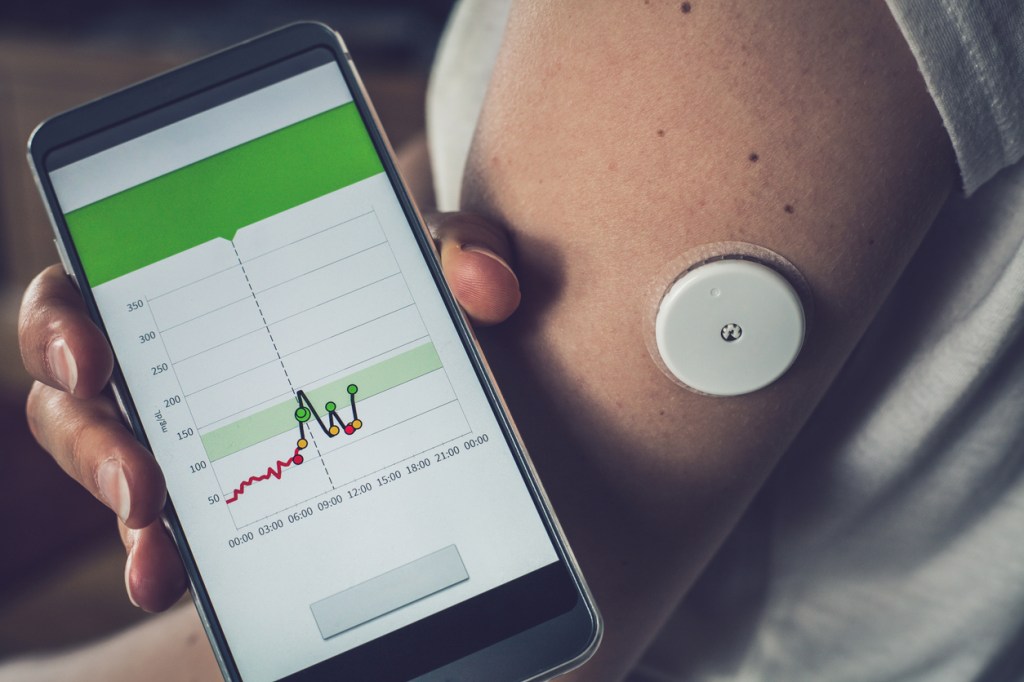
Finger prick monitoring shows accurate in-the-moment insulin levels but continuous glucose monitors (CGM) allow you to see trends and observe the impacts of your diet and activities on your levels. Choosing the right continuous glucose monitor (CGM) can be overwhelming, though. Have you found the right one for you? Let’s go over the options so you can reach an informed decision.
Many of the basic features of CGMs are the same. Let’s review what those are before looking at what’s unique about the most popular options on the market. They all come with a subcutaneous sensor and transmitter which connects wirelessly to a receiver. Receivers have trend graphs, direction and rate-of-change arrows, as well as the ability to log extra data. Sensors are inserted with a device and may be re-usable. Data is sent to the receiver whenever it’s in range.
Here are the top 4 continuous glucose monitoring systems that you might want to consider if you are a diabetic:
1. Senseonics Eversense CGM
The Senseonics Eversense CGM has the least medical waste, as the transmitter can be changed without removing the sensor, which is guaranteed for 90 days. The sensor needs to be changed at a physician’s office, though and has 24 hours before it is warmed up. It also needs calibration twice daily. There are great functions that keep you informed such as vibrate or audio real-time alerts for out of range, high, low, rate of change, or predictive low. It is also not impacted by acetaminophen.
2. Freestyle Libre 14-hour CGM
The Freestyle Libre 14-hour CGM doesn’t need daily calibration, is the most inexpensive, and has the shortest warm-up of one hour. Unfortunately, it doesn’t have real-time high/low alerts and without that calibration, is the most inaccurate in low glucose range. The sensor can store up to 8 hours of data and the reader can store notes and events but they must be entered at the time. The low profile transmitter has an adhesive that may not last the 14 days of the sensor life. It can also be impacted by vitamin C and aspirin.
3. Medtronic Guardian3 – 670G or Guardian Connect CGM
The Medtronic Guardian3 – 670G or Guardian Connect CGM has a reusable sensor with a life of 7 days. It has a single button insertion with a 2-hour warm-up time but can cause skin issues with complicated multiple tapes. There are customizable alerts for different times and days with vibrate and audio limited only by your phone’s options. There are real-time alerts for high, low, rate of change, or predictive low/high. It needs calibration every twelve hours to continue data generation. Guardian Connect only works with Apple apps but has real-time sharable data as well as an app that generates reports. It’s also impacted by acetaminophen.
4. Dexcom G6 CGM
The Dexcom G6 CGM does not need calibration but it is available to improve accuracy. The sensor has a single push button insertion and is good for 10 days. It has customizable alerts including an “always on” feature for if your phone is on silent. It has a high level of waste from the costly sensors and transmitters, and reusing the sensor can be difficult.
There have been dramatic changes to the medical landscape since COVID-19 was declared a global pandemic on March 11, 2020. One of the most significant changes that practitioners have experienced is an increase in flexibility in administering telehealth patient services.
What is Telehealth?
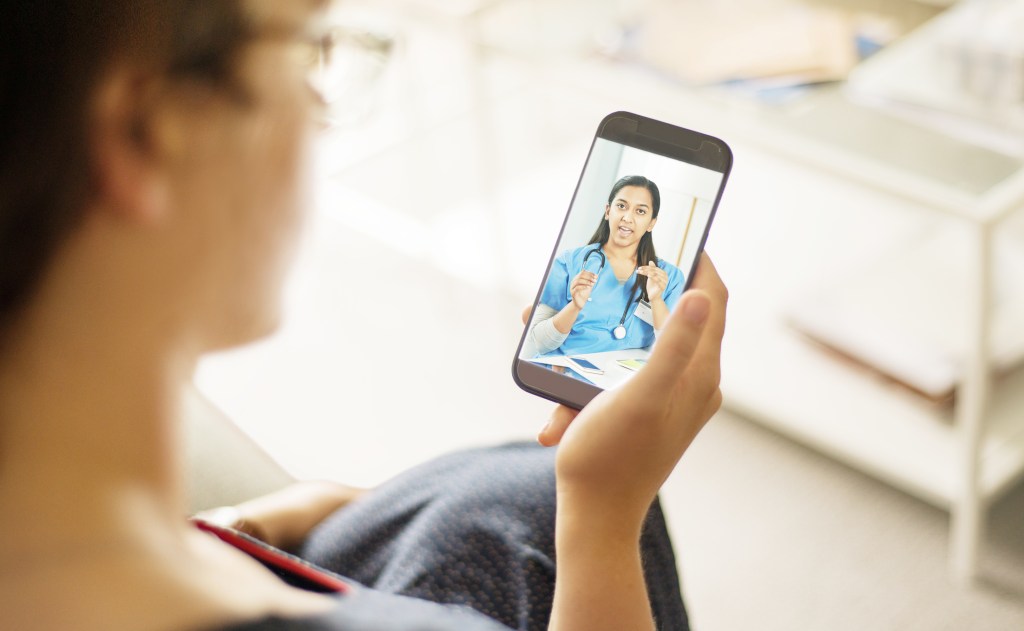
The World Health Organization (WHO) applies telehealth and telemedicine synonymously to describe the use of information and communications technology to overcome geographical barriers to patient care to improve health outcomes. This definition accounts for both clinical and non-clinical functions.
In telehealth appointments, you connect remotely with a provider to seek diagnosis, treatment, or monitoring of your health concerns. Telehealth is best applied in situations where you’re seeking follow-up monitoring on a pre-existing condition, or your symptoms aren’t emergent.
Advantages and Disadvantages of Telehealth
Like anything, using telehealth for patient care comes with pros and cons.
Advantages of using telehealth include things like:
Decreased risk for exposure to unrelated illnesses like COVID-19.
Disadvantages consist of factors such as:
No physical exams performed.
Risks for delayed care.
Connectivity issues for patient or provider.
How to Schedule a Telehealth Appointment with Your Doctor
Telehealth appointments are generally booked by submitting a request through your provider’s patient portal or calling a medical office directly. Often, you’ll be required to complete some form of screening assessment related to your symptoms to determine whether a telehealth appointment will provide you with the necessary level of care needed for the condition in question.
What Patients and Providers Say About Telehealth
Although it may seem like telehealth would make medicine feel less personal, a study by Massachusetts General Hospital found that 62% of patients surveyed reported that telehealth visits were as positive as in-person visits, and 21% said they were better than traditional appointments. Clinicians also reported higher efficiency, and more than half agreed that appointments were comparable to those conducted in-person.
Temporary measures were put in place to extend telehealth access to more people during the onset of the COVID-19 crisis, but many medical leaders are pushing for long-term changes. As the healthcare environment continues to adapt, the need for trained medical professionals — both clinical and non-clinical — will only increase.










 The Avidity Medical Design Blog