Six-Part Health Series (Part 3): 10 Things You Can Do For Better *Emotional* Health in 2020

young-man-sitting-on-ground-against-tree-while-meditating-with-hands-resting-on-knees-cross-legged
Reduce stress and reconnect to your body with meditation.

Emotional health impacts your physical health and your overall happiness, yet it is a difficult thing to improve without purpose. The steps to better emotional health will help to bring you calmness and inner peace. This doesn’t mean you won’t ever have a bad day, but it means you will be able to better cope with bad days and fully enjoy the good things in life. 

10 Things You Can Do For Better Emotional Health in 2020

1. Sleep Well.

When you aren’t sleeping well, you may become irritated or angry more easily. It also decreases your ability to handle stress. This decrease in coping ability leads to poor emotional health. Over time, it can also impact physical health. 

2. Eat Right.

There is evidence that concludes that the food you eat can impact your emotional health. Getting proper nutrients makes you feel good, and this improves mood. Conversely, meals high in unhealthy fats or toxins can make you feel sluggish and depressed. 

3. Exercise Regularly.

When you exercise, your body releases endorphins. These chemicals reduce anxiety and improve mood functions. They also increase self-esteem. Regular exercise is also good for your physical health and body image. 

4. Meditate Consistently.

Any exercise in mindfulness is a benefit to emotional health because it gets us out of our heads and back to a healthy emotional center. If formal meditation is not appealing to you, go for a walk or do some gardening. Anything that keeps the body busy so that the brain can have a break is a positive action. 

5. Connect with Friends or Family.

In today’s consumer-driven world, we often are tricked into thinking it is our belongings that give us happiness. This is not true, and it is other people and our connections to them that drive happiness. If you are feeling isolated, reconnect with friends or family to regain your sense of community and support. 

6. Learn to Say No.

While some people need to reconnect for emotional health, others need to disconnect. It is okay to say no when asked for help. If you are stretched too thin because you are helping others, learn to say no. You need to practice self-care for a little while and then get back into help mode. 

7. Don’t Judge.

Judging others is an unhealthy activity for your emotional health and doesn’t produce any good results. You can’t possibly put yourself into someone else’s shoes, and most of the time, their actions aren’t of any consequence to you. Instead of judging, listen and offer help when you can. 

8. Appreciate the Here and Now.

Many of us are constantly trying to improve ourselves. We want to be thinner, richer, and more popular. In reality, what you’ve got right now is underappreciated. You have a life, and you can improve it. Appreciate the present and the future, and your emotions will migrate to a more positive place. 

9. Volunteer to Improve Your Emotional Health.

Helping others improves your emotional health because it feels good and you are no longer focused on your own stress. Volunteering is a pro-social way to help others that builds connections and yields happy results. 

10. Take Time for Yourself.

Taking time for yourself does not mean wasting time watching television. It means investing your time in a hobby or event that will make you feel like you again. If this means a spa day, great. If it means finishing a project, even better. Taking time for yourself means prioritizing yourself, so you don’t feel like you’ve been run over by life. 

These 10 steps are pretty straightforward, and if you invest some time on each of them, you are surely going to improve your emotional health. Not only will you experience less extreme emotions, but you’ll be a happier person with a renewed sense of calm. 

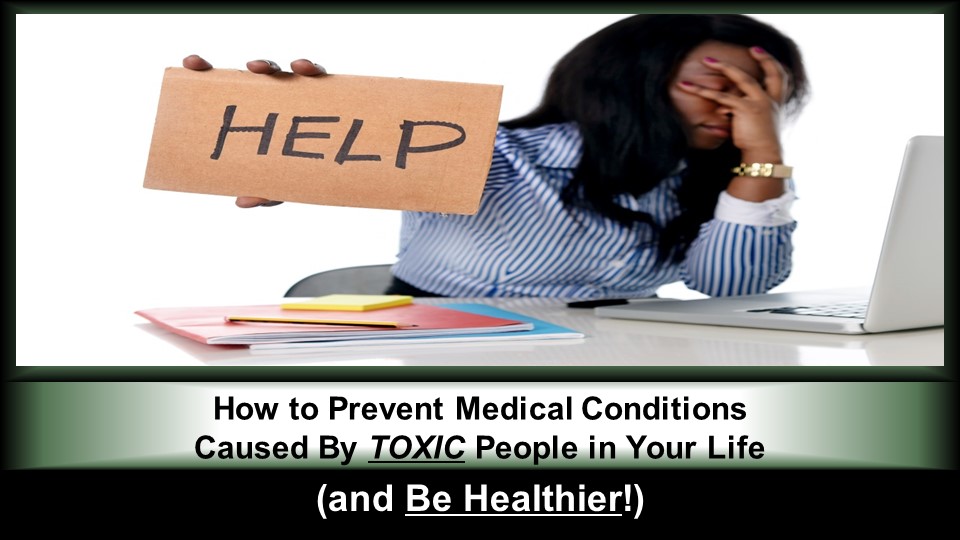
For more help with improving your emotional help, check out Avidity Medical Design Academy’s course entitled, “How to Prevent Medical Conditions Caused By TOXIC People in Your Life (and Be Healthier!)

How to Fill in Gaps in Your Resume When You’re Starting a New Career in Healthcare

woman holding resume

The time has finally come: You’re ready to begin a new career in the healthcare industry. However, if you’ve recently been unemployed, you will have gaps in your resume. There are a lot of legitimate explanations for resume time gaps. Maybe you were taking care of a sick relative, or maybe you went back to school. You could have been laid off, or you could have had your own health-related problems. Potential employers will understand these gaps, but only if you handle them correctly.

Why You Need to Fill in Employment Gaps in Your Resume

Employment gaps in your resume can be detrimental to your job search, especially when you’re interviewing for a new job, so you must be able to explain any time gaps in employment in your resume. Many employers use applicant tracking systems to reduce the number of unqualified applicants. Resume gaps will lower your score on these automated systems, thereby decreasing the chance that your resume will fall into the hands of a human being.

Potential employers will want to know what you were doing while you were away from the workforce, even if you were away for personal or family reasons. This doesn’t mean you have to go into a lot of detail about the circumstances surrounding your unemployment, but you can use these gaps in your resume to highlight important skills you developed during your time off work. Doing this can make you a more attractive applicant, help you interview well, and can also help you be successful on your first day on the job.

Here are some things you can do to fill in the gaps on your resume, get hired, and start your first day on the job.

Different Ways You Can Fill in the Gaps

Never lie on your resume. The number one thing you should not do on your resume is lie. Employers will verify your work history, and if they see that you lied on your resume to fill in the gaps, they are less likely to trust you. This could cost you the job opportunity.

There are better ways to fill in the gaps on your resume, particularly when you’re entering the healthcare field. The key is to demonstrate to potential employers that you used your time away well. Use relevant experiences to boost your resume, such as:

  • Volunteer workDid you do any volunteering while unemployed? The skills you learned can be invaluable in your new career in the healthcare industry. Volunteer work for a healthcare organization is especially relevant.
  • Coursework/CertificationsIf you’re about to switch careers, it’s likely you spent some of your time away taking courses and earning certifications. Emphasize this on your resume.
  • Freelance workIf you spent some of your time off work picking up freelance jobs, explain how the skills you learned while you were freelancing will help you going forward. Feature work you did for clients in the healthcare field, if applicable.
  • Soft skills learnedYou’ve likely picked up skills during your time away from work. Determine what those are and explain how they make you an asset in your new career. For example, if you were taking care of a sick relative, share how that experience will make you a better worker in the healthcare field. If you were dealing with your own health issues, explain that it helped you develop empathy for patients.

Don’t be discouraged by the gaps in your resume. If you fill them in properly and leverage the skills you learned while you were unemployed, you will still be an attractive applicant to potential employers. If you want to learn more tips about entering the healthcare field, check out the Avidity Medical Design Blog. To learn more about the different healthcare careers that you can pursue, especially if you’re interested in working from home, consider enrolling in the course entitled, “How to Make Money in Healthcare Working from Home (Full Time!)” offered by Avidity Medical Design Academy.

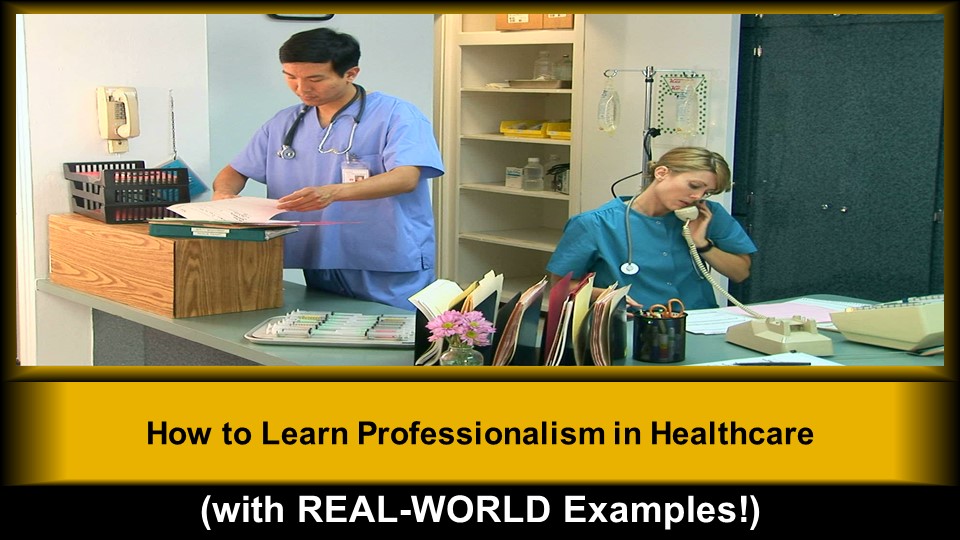
To learn more about how to be a professional in healthcare, which is especially important if you get hired for your first job, consider enrolling in the course entitled, “How to Learn Professionalism in Healthcare (with REAL-WORLD Examples!)” offered by Avidity Medical Design Academy, so you can start out on the right foot on your first day on the job.

If you run into any personality conflicts with toxic co-workers on your new job, or you have toxic family members or friends who are stressing you out, consider enrolling in the course entitled, “How to Prevent Medical Conditions Caused by TOXIC People in Your Life (and Be Healthier!)” offered by Avidity Medical Design Academy.

For more course offerings, visit the Avidity Medical Design Academy homepage.