10 Hottest Medical Gadgets in 2024

Recent medical gadgets

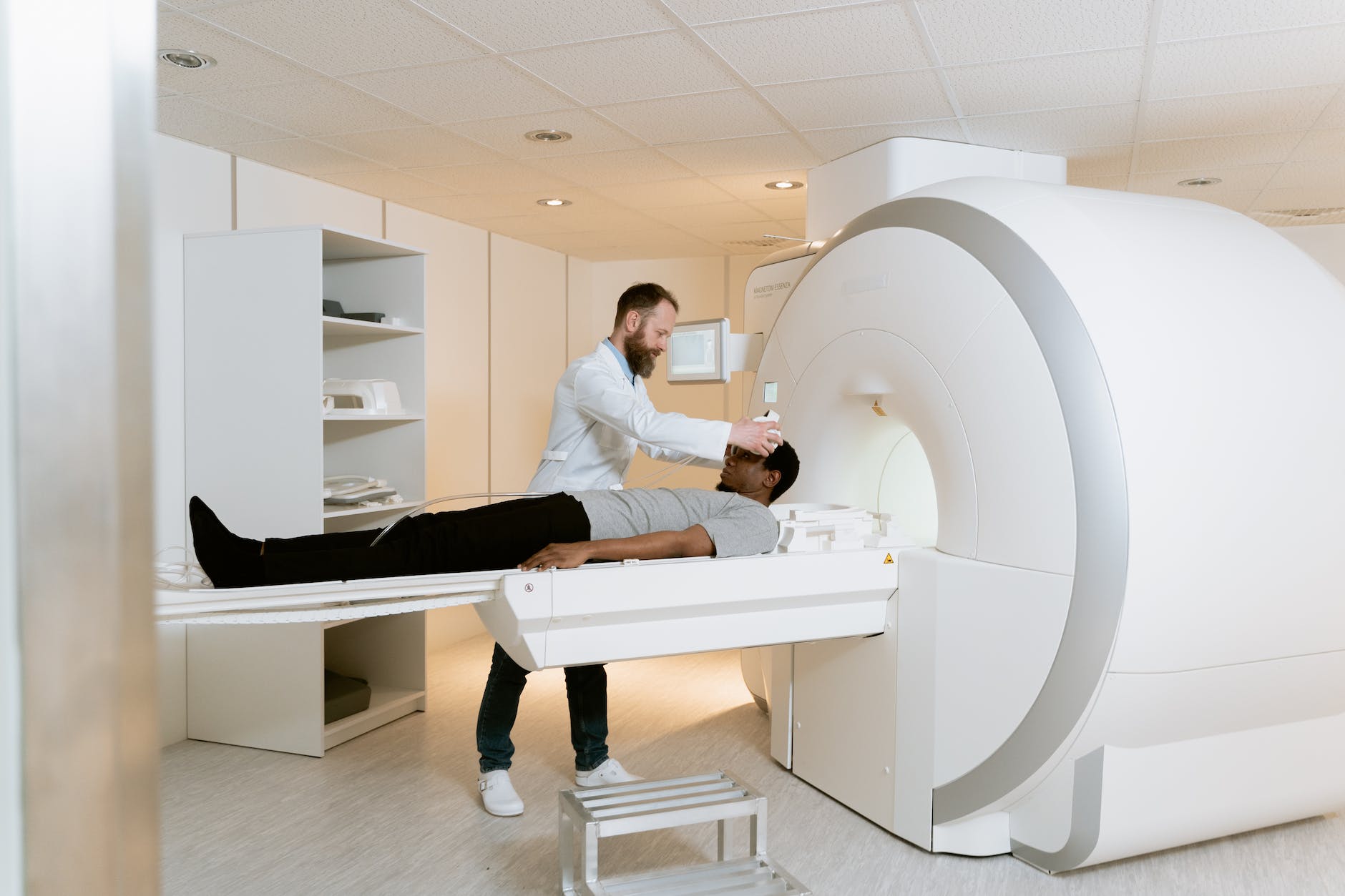
Whether you’re a layperson interested in maintaining your own health or someone who works in the healthcare industry, it’s exciting to learn about the new medical gadgets in development and all the various things they can do. These gadgets include wearables, medical robots, 3D printers, and artificial intelligence. Just as technology revolutionizes our everyday lives, so is the field of medicine.

Read on to learn about the hottest medical gadgets for 2024:

Aidmed One

This is a portable, chest-worn device made by the Polish startup Aidmed. It can record blood pressure, temperature, and ECG (electrocardiogram) which will tell you how you (or your patient) are doing.

Nucleus

This is a portable robotic exoskeleton from the Indian company Punar. It can train the paralyzed hands of stroke patients and help them to recover faster.

BIO BOTS

This is an oral healthcare nanobot created by the Indian company Theranautilus. It can help treat tooth sensitivity permanently and can also help promote tooth regeneration.

MARS

MARS or Multi-User Augmented Reality System allows surgeons to get X-ray vision during surgeries. It is one of the hottest medical gadgets in 2024 that will allow surgeons to see the images without looking away from the patient and will also guide their instruments and implants.

HEARThermo

This is a wristband from the Taiwanese company Nightingale. The wristband monitors body temperature and heart rate and can also help predict infections.

PneumoWave

PneumoWave is a UK-based company that is coming up with a biosensor that can help people with chronic obstructive pulmonary disease (COPD). It captures and analyzes pulmonary data, thus making it easier to tell when the patient’s condition might worsen.

HYDRAFIL

This is a system which uses hydrogel technology. It is a minimally invasive system that can help patients with chronic back pain. HYDRAFIL is from the US-based startup ReGelTec.

VisionAir Solutions

This is the name of a US-based startup that is making 3D-printed stents. When a patient has a central airway obstruction, a 3D-printed silicone stent can help them to breathe easier.

Elo

This is a device from the Singaporean company EloCare. It can monitor symptoms and collect data for women undergoing menopause. The data can then be transferred directly to the physician through the Internet of Medical Things and can help to determine if any lifestyle or medical changes are needed.

WarnerPatch

This is a 5G-connected medical patch from the UK startup M2JN. This patch monitors regional soft tissue health, so it can help in detecting diabetic wounds and post-surgical repairs.

For more information about the latest medical gadgets and developments in medical technology, follow our blog or sign up for a course at the Avidity Medical Design Academy. To improve your physical, mental, and spiritual health, try a scented candle or soap from Avidity Medical SCENTations.

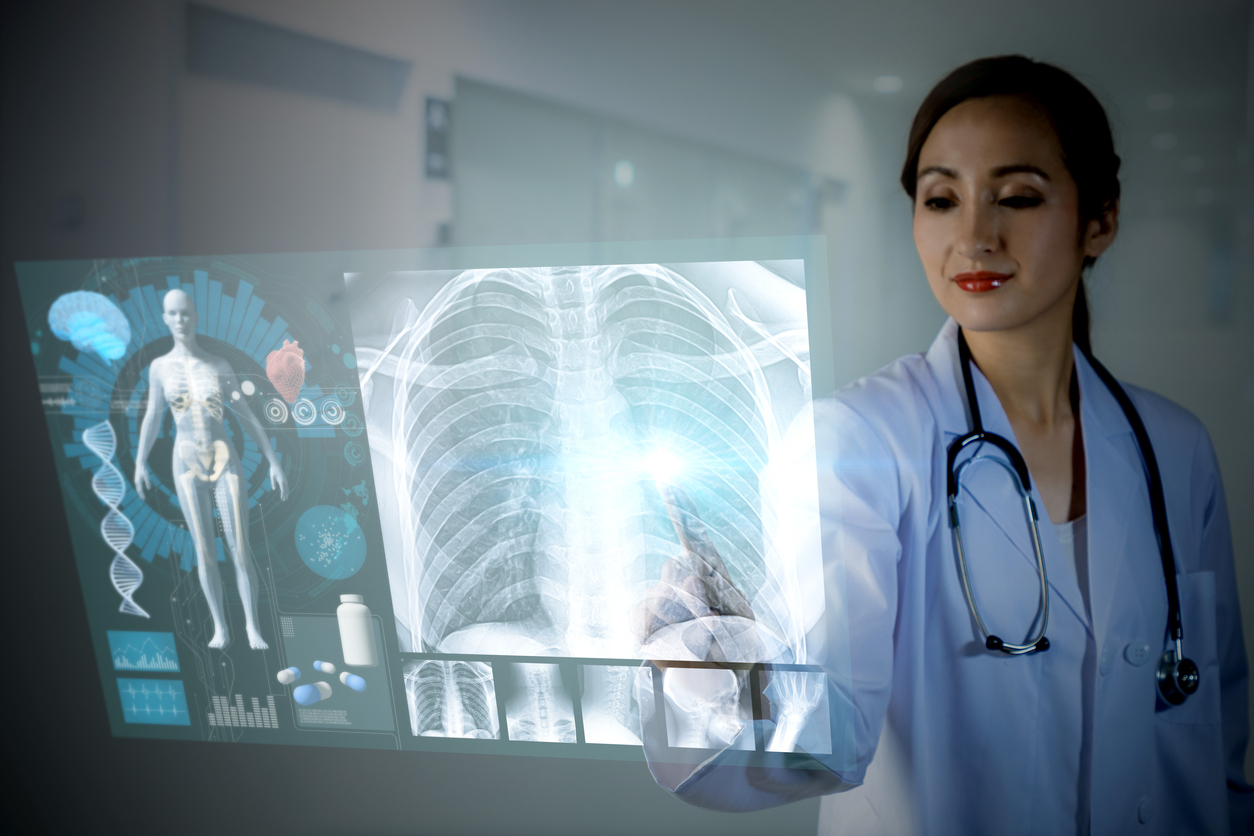
Medical technology in 2023 concept - Healthcare professional accessing digital healthcare data.

Medical Technology in 2023: What to Expect in Terms of Health Care

Medical technology in 2023 concept - Healthcare professional accessing digital healthcare data.

Medical technology has come a long way since the early days of healthcare. From improved diagnostics and treatments to new ways of managing chronic conditions, medical technology is transforming healthcare delivery and patients’ lives worldwide. In 2023, we expect to see even more significant impacts on patient care due to medical technology advancements. Let’s look at what to expect from medical technology in 2023 and how it will impact patient care.

The Latest Advances in Medical Technology

Medical technology is rapidly advancing in the 21st century, and 2023 is no different. One of the most exciting advances in medical technology is the development of artificial intelligence (AI) for diagnostics and medical imaging. AI can help analyze medical images to detect abnormalities in the human body. This, in turn, will help healthcare professionals diagnose diseases more quickly and accurately

Additionally, genomics and gene editing advances enable researchers to develop treatments tailored to the individual’s genetic makeup. Finally, personalized medicine and precision health make it possible to tailor treatments to each patient’s specific needs, improving care and outcomes. These developments are revolutionizing how healthcare is delivered and will continue to improve patient care, wellness, and the healthcare industry in 2023 and beyond.

unrecognizable african american scientist studying anatomy with tablet

The Impact of These Advances on Patient Care

Medical technology has come a long way in the last few years. We expect to see even more advancements in 2023, which will significantly impact patient care. Some of these advances will include improved diagnostic and therapeutic capabilities, more effective treatments, and improved monitoring capabilities that allow healthcare providers to track a patient’s health from afar.

These advances will provide better treatment and care for patients. They will also lead to improved overall wellness. Patients will benefit from better diagnoses, treatments, and closer monitoring to ensure they get the best possible care.

woman practicing yoga

The Impact of These Advances on Wellness

In 2023, medical technology’s advances will significantly impact wellness. For example, with the development of new technologies such as AI and 3D printing, patients are increasingly able to access personalized treatments that help them manage their condition more effectively. This has helped to improve outcomes and increase levels of well-being. Furthermore, these technologies have made it easier for health professionals to identify areas of concern and intervene quickly and effectively to prevent further problems. All in all, the advances in medical technology will be incredibly beneficial for individual wellness.

people men technology room

The Impact of These Advances on the Healthcare Industry

The advances in medical technology are poised to impact the healthcare industry as a whole significantly. These advancements will reduce costs, improve patient outcomes, and provide more efficient healthcare services. This will ultimately result in better access to care for patients, improved patient satisfaction, and excellent financial stability for healthcare providers. Furthermore, these advances will positively impact society’s overall wellness by providing better treatments, diagnostic tools, and preventive care. These elements will unite to create a healthier, more prosperous society.

Key Takeaways

Advances in medical technology in 2023 are bringing changes to the healthcare industry that are positively affecting patient care, wellness, and the entire healthcare industry. Patients can expect improved diagnoses, better treatments, and more preventive care. Wellness is being promoted through increased access to health services, personalized care plans, and innovative technologies.

For the healthcare industry, advances in medical technology will lead to higher quality care and improved efficiency. Follow the Avidity Medical Design Blog for the most up-to-date information on healthcare. Enroll in a course offered by Avidity Medical Design Academy to learn more about a variety of healthcare subjects. Visit Avidity Medical Scentations to purchase scented candles and soaps with a healthcare theme.

Brain-Computer Interfaces: What They Mean for the Future Students of Healthcare Education

Do you remember the old sci-fi movies and TV shows that we grew up with? Do you remember how you felt when you saw Luke Skywalker, William Shatner and Arnold Schwarzenegger using out of this world technology that you thought was the creation of movie magic. What if I told you that the future is already here?

Technology has grown and matured over the last 25 years to a point where man and machine are slowly becoming one. A new and exciting area of tech that is receiving a lot of buzz right now is brain-computer interface technology.

brain computer interfaces

What is Brain-Computer Technology?

A brain-computer interface is a direct communication pathway between the brain and an electrical device. The neurons of the brain are measured with electrodes, which then sends an electronic signal to a device such as a prosthetic leg or arm to simulate human movements.

There are currently two approaches that are yielding results in field studies. The non-invasive brain-computer interface measure activity from large groups of neurons with electrodes placed on the surface of the scalp (EEG). Invasive brain-computer interface measure activity from single neurons with miniature wires placed inside the brain.

Who Is Using Brain-Computer Interface Today?

The United States military has always been on the cutting edge of developing and using new emerging technology in all branches of the services.

The Defense Advanced Research Projects Agency awarded Massachusetts General Hospital and the University of California, San Francisco, contracts worth $56 million to create electrical brain implants capable of treating seven psychiatric conditions, including addiction, depression, and borderline personality disorder.

The military is trying to overcome an epidemic of mental illness among veterans, including suicide rates three or four times that of the general public due to long combat deployments to Iraq and Afghanistan. This is why the military is turning to neurological devices.

The Brain Chip

Doctors in Ohio State University Wexner Medical Center and researchers from Battelle Memorial Institute in Columbus, Ohio have helped a quadriplegic man move his hand for the first time with a brain chip.

Ian Burkhart, the man who was injured in a driving accident was the first patient to use Neurobridge. The Neuobridge system is made of a computer chip implanted in the brain, a brain-computer interface and a sleeve able to send electric signals to the forearm and hand of the patient.

This groundbreaking technology proves the brain-computer interface is more than just a fantasy it is a reality.

person holding string lights photo

What Does This Mean For The Future Of Healthcare Education?

What this means for the future of healthcare education is that learning is going to have to be more cross categorical than ever before.

It won’t be enough for a student to know about basic brain functions and muscle interaction. They will need to understand mechanics, engineering, and software development just to name a few categories.

The healthcare system and healthcare technology are rapidly evolving. Healthcare education must evolve with it to meet the demands of today. For curriculum development and other instructional design services, visit Avidity Medical Design Consultants, LLC for more information.

The Latest Trends in Cancer Treatment for 2014: Targeted Cancer Drugs

the latest trends in cancer treatment 2014One of the latest trends in cancer treatment for 2014 is the use of targeted drugs that attack the genetic “on switch” for cancer. According to recent story on CBS News, one of these new approaches to fighting cancer is a type of targeted cancer therapy that could one day eliminate conventional chemotherapy as we know it.

Chemotherapy, as it is currently practiced, involves delivering powerful cancer-fighting drugs intravenously to the site of a tumor. While this type of treatment can reduce or even eliminate a tumor, it also wreaks havoc on surrounding healthy tissue. This makes cancer patients ill and weak. Conventional chemotherapy is like World War II era carpet bombing: a powerful attack but with a lot of collateral damage remaining.

Targeted drugs are more like smart bombs. A recent research project describes a new treatment that uses the tumors own genetic sequence to attack it. Researchers sequenced 10 genes in lung cancer patients and in two thirds of them found the “on switch” that causes cancers to manifest and grow. The new drug, an oral medication that is selected according to the results of the genetic sequencing of the tumors, turns that switch to “off,” keeping the cancer under control for a significant period of time.

Targeted drugs that attack the genetic “on switch” for cancer do not currently represent a cure for cancer. What they may do, however, is to turn cancer into a chronic disease, rather than a fatal disease. Although there may still be some adverse health effects, these drugs may keep the cancer from metastasizing, or spreading to other areas of the body, thereby allowing patients to live longer and healthier lives. Targeted drugs may hopefully work for many different types of cancer, and may buy patients enough time to allow real cures to come through the pipeline.

For more information contact us.

The Latest Trends in Cancer Treatment: Targeted Cancer Drugs

the latest trends in cancer treatment 2014

One of the latest trends in cancer treatment for 2014 is the use of targeted drugs that attack the genetic “on switch” for cancer. According to recent story on CBS News, one of these new approaches to fighting cancer is a type of targeted cancer therapy that could one day eliminate conventional chemotherapy as we know it.

Chemotherapy, as it is currently practiced, involves delivering powerful cancer-fighting drugs intravenously to the site of a tumor. While this type of treatment can reduce or even eliminate a tumor, it also wreaks havoc on surrounding healthy tissue. This makes cancer patients ill and weak. Conventional chemotherapy is like World War II era carpet bombing: a powerful attack but with a lot of collateral damage remaining.

medications on white surface

Targeted drugs are more like smart bombs. A recent research project describes a new treatment that uses the tumors own genetic sequence to attack it. Researchers sequenced 10 genes in lung cancer patients and in two thirds of them found the “on switch” that causes cancers to manifest and grow. The new drug, an oral medication that is selected according to the results of the genetic sequencing of the tumors, turns that switch to “off,” keeping the cancer under control for a significant period of time.

Targeted drugs that attack the genetic “on switch” for cancer do not currently represent a cure for cancer. What they may do, however, is to turn cancer into a chronic disease, rather than a fatal disease. Although there may still be some adverse health effects, these drugs may keep the cancer from metastasizing, or spreading to other areas of the body, thereby allowing patients to live longer and healthier lives. Targeted drugs may hopefully work for many different types of cancer, and may buy patients enough time to allow real cures to come through the pipeline.

young medical professional using clear tablet to study x-ray and other medical data

For more healthcare news, follow the Avidity Medical Design Blog. If you are interested in taking an online healthcare course, visit Avidity Medical Design Academy. If you like scented candles and soaps, visit Avidity Medical Scentations to purchase scented candles and soaps with a healthcare inspiration.