10 Ways to Avoid Summer Health Problems During and After COVID-19

snapshot-of-young-boy-wearing-blue-swim-trunks-jumping-into-pool-on-hot-summer-day

It’s summer. The days are long, the sun is shining, and all the kids want to do is play outside, in spite of COVID-19. However, it’s important to keep in mind that, in addition to the COVID pandemic, summer itself does pose its fair share of health risks, even if you are quarantining in your own backyard. Here are the top ten summer health issues and how to prevent and care for them, during and after the COVID-19 pandemic.

1. HEAT STROKE

Heat stroke is caused by the body overheating as a result of extended exposure to the sun or other forms of heat. Common symptoms include confusion, dry skin when you should be sweating, racing heart rate, and nausea. If you think you’re experiencing heatstroke, immediately get inside and douse yourself in cold water. If symptoms persist, head to your local emergency room. Avoiding heatstroke is as simple as staying inside on blistering days.

2. DEHYDRATION

When you’re losing more fluids than you’re taking in, your body is dehydrating and weakening. Although it’s more common in young children and older adults, dehydration can occur to anyone spending prolonged periods of time in high heat. Even if you wish you were sipping something sweet, the sugars in smoothies and fruit juices counteract the necessary water your body needs. Dehydration is solved by drinking water, Gatorade, or Pedialyte.

3. HEAT RASH

Exactly what it sounds like: a rash caused by sweat becoming trapped under the skin in humid conditions. Common in both children and adults, there’s no reason to seek medical treatment over the mild itchiness this rash produces. Use calamine lotion and spend some time in a cool location until it relieves itself.

4. SUNBURN

Everyone is at risk for sunburn. People with fairer skin and lighter hair are more prone to redness and peeling, along with people who repeatedly burn themselves on the quest for the “perfect” tan. Sunburns can lead to skin cancer, melanoma, cellular damage, and rapid aging. The easiest way to protect yourself from a sunburn is to use sunscreen frequently, check your skin routinely, and avoid exposure to high UV levels. If you do get sunburned, use aloe to reduce the burn.

5. ASTHMA AND ALLERGY FLARE UPS

If you find yourself wheezing within moments of stepping outside, you’re likely having an asthma or allergy flare up. Check the air quality before you head outside, always carry a rescue inhaler (if you have one) and avoid campfires and windy days that stir up mold and pollen. Ragweed and Bermuda grass are at the height of their terror in July and August; if these are known issues, stay inside.

6. BUG BITES

Mosquitoes, ticks, and spiders thrive in the heat. If you have type O blood, or you emit more carbon dioxide, you may be more prone to attract mosquitoes, ticks, and spiders. Protect yourself by burning citronella candles outdoors, using bug spray frequently, and not spending too long outside around dusk. Most bites will itch for 2-3 days and then fade, but if it persists beyond then and you develop a fever, rash, or other symptoms of infections, see your doctor.

7. FOOT PROBLEMS

Athlete’s foot, sprained ankles, blisters and more; summer offers it all. For many, flip flops seem like the easiest option when visiting a pool or beach. However, for those susceptible to falls and ankle twists, invest in a sandal that provides support. Avoid blisters and athlete’s foot by wearing protective footwear at all times—in showers, on beaches, pool decks, and other public places. If you do find yourself scratching and wincing at painful soles, home remedies such as creams and ice will heal you right up.

8. FOOD POISONING

The food truck right off the beach might seem convenient, but the stomach cramps later aren’t worth it. Food poisoning can occur from improperly cooked food, bacteria in water, and contamination from unsafe cooking conditions. Symptoms of food poisoning include a mild fever, vomiting, diarrhea, stomach cramps, sweating, and clutching the rim of the toilet for dear life. Avoid this summer health concern by only eating food you trust and drinking water from safe sources.

9. SUMMER COLDS

You can still develop a summer cold, with symptoms like a runny nose, sore throat, headache, cough, and mild fever, even if you haven’t been diagnosed with COVID-19. Children, or those in constant contact with small children, are at greater risk for developing a summer cold.

The key point to consider: summer colds resolve within a few days, while COVID-19 will take longer.

If you suspect you have symptoms of COVID-19, don’t hesitate to get tested, even though it may take some time to get your test results.

10. EAR INFECTIONS

Due to increased activity in water sports in the summer, ear infections become more common in young kids, those who use hearing aids, and frequent headphone users. Ear infections can be treated with over-the-counter eardrops, pain medicine, and 48 hours of rest. If it’s still a problem, and you can’t keep the kids out of the pool, invest in some earplugs to prevent further infections.

All of these are easily treatable with home remedies. Staying safe this summer is the number one priority, especially in the midst of the COVID-19. To learn more about different healthcare topics, follow the Avidity Medical Design Blog. To learn more about different areas of healthcare, sign up for a healthcare course offered by Avidity Medical Design Academy.

How to Make Your Own Comfortable Hypoallergenic Mask

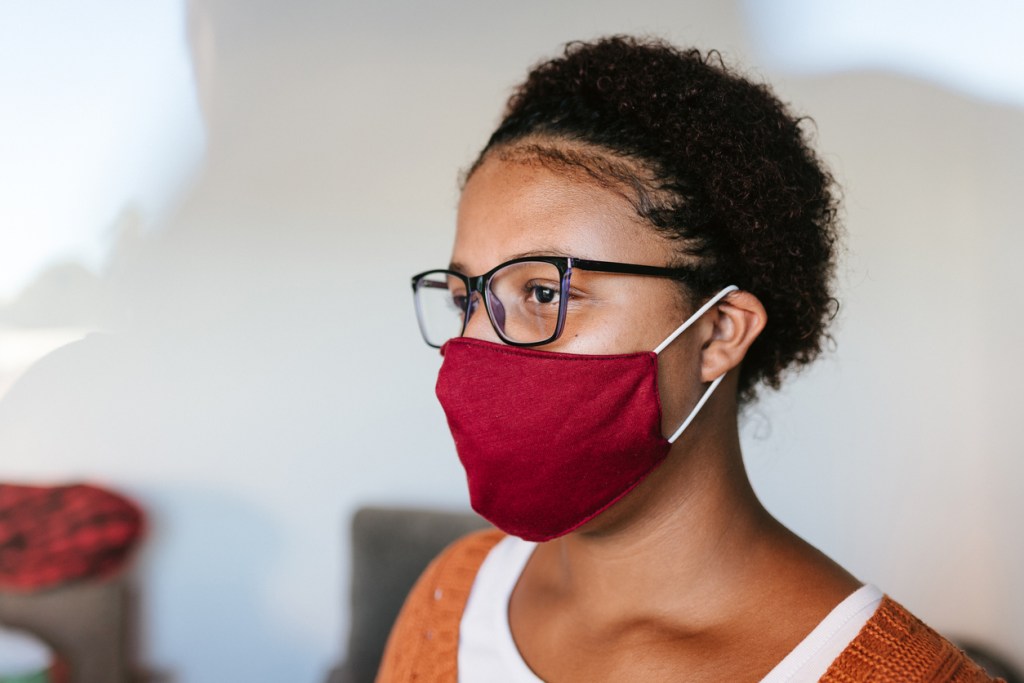
woman-in-profile-wearing-red-hypoallergenic-mask-during-coronavirus-pandemic

With facial coverings being mandated around the country, due to COVID-19, if you have an allergy, you want to look for facial coverings called hypoallergenic masks that can be worn comfortably and don’t cause an allergic reaction. To create your own hypoallergenic mask, all you need is a pattern, your chosen materials, and a little determination.

Here are some things you should consider if you choose to make your own hypoallergenic mask.

Hypoallergenic Mask Materials

One of the most popular materials being used in face mask coverings is cotton. Cotton is naturally hypoallergenic. The thicker the cloth, the more protection it will give you. If you are allergic to dye, don’t use printed materials to make your mask.

Another good material that you might want to consider is linen. Linen is an excellent alternative due to its natural hypoallergenic nature and antimicrobial properties. This material is commonly used in bed sheets because it can absorb more liquid than other materials before becoming damp to the touch. Linen keeps moisture away from your mouth while still being able to stand up to machine washes.

Avoid Elastics and Plastics

If you choose to use plastic elastic bands to hold your mask on, you may experience some skin irritation. Instead, try using tie backs or try making a wrap-around mask. Alternate materials for securing your mask are easy to obtain; you’ll just need a little creativity. Using the same material you used from your mask, you can create a tie to secure your mask and keep it from falling down. If you are not allergic to silk fabric, you can use ribbons to secure your mask.

To avoid strain on your ears, create a wrap-around mask that you can secure at the back of your neck with Velcro. You can use buttons and snaps also to secure your mask at the back of your neck. Use a shorter tieback also to create the same effect.

Alternative to Making a Mask

If you are not able to create their own hypoallergenic mask, there are several options available to buy them. Neoprene and surgical masks are popular for facial covers. Visit Amazon to see the different varieties of face mask that are up for sale. Be cautious when choosing your mask. Keep in mind your own allergies, and ask questions if you’re not sure about the mask you are considering buying.

Regardless of whether you choose to make your own mask, or to buy one online, don’t forget to wash your masks often to keep them clean. Remove your mask using the elastic band around your ears, or the tieback that is holding your mask on. Don’t touch your mask directly with your hands to avoid contaminating it. Make two masks if possible, so that if one needs to be washed, or is being washed, you can use the second mask as a backup while the first mask is being washed.

To stay up to date on the latest news in healthcare, pertaining to COVID-19, quarantining, face masks, and other hot topics, follow the Avidity Medical Design Blog. To take a healthcare course, visit the Avidity Medical Design Academy website.

What You Should Know About Telehealth in the Era of COVID-19

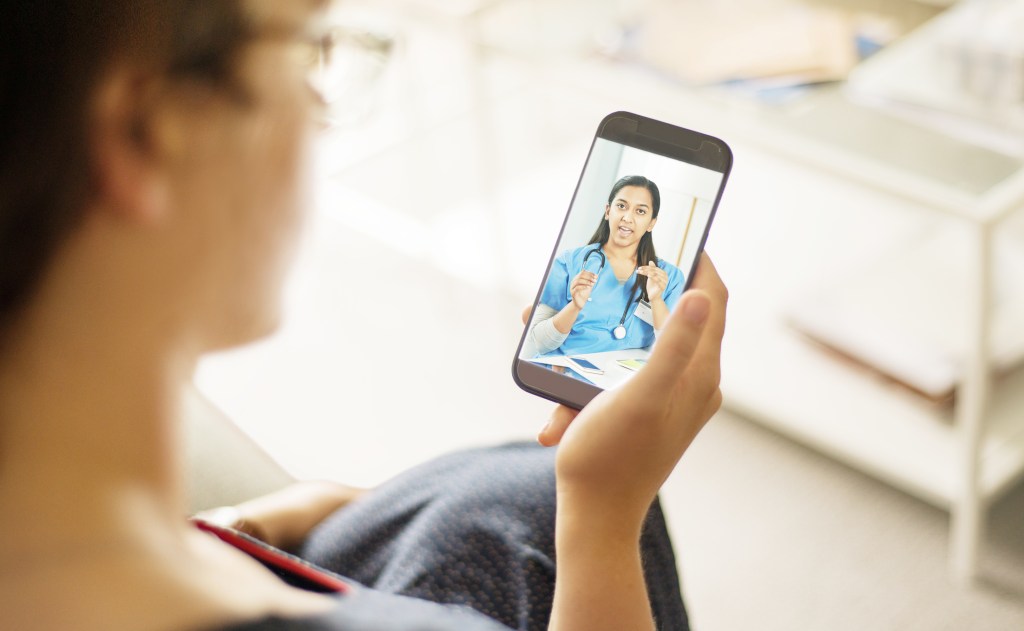
person-holding-smartphone-during-telehealth-appointment-with-doctor-on-video

There have been dramatic changes to the medical landscape since COVID-19 was declared a global pandemic on March 11, 2020. One of the most significant changes that practitioners have experienced is an increase in flexibility in administering telehealth patient services.

What is Telehealth?

The World Health Organization (WHO) applies telehealth and telemedicine synonymously to describe the use of information and communications technology to overcome geographical barriers to patient care to improve health outcomes. This definition accounts for both clinical and non-clinical functions.

In telehealth appointments, you connect remotely with a provider to seek diagnosis, treatment, or monitoring of your health concerns. Telehealth is best applied in situations where you’re seeking follow-up monitoring on a pre-existing condition, or your symptoms aren’t emergent. 

Advantages and Disadvantages of Telehealth

Like anything, using telehealth for patient care comes with pros and cons

Advantages of using telehealth include things like:

  • Increased health care accessibility.
  • Ability for greater collaboration among healthcare teams.
  • Decreased risk for exposure to unrelated illnesses like COVID-19.

Disadvantages consist of factors such as:

  • No physical exams performed.
  • Risks for delayed care.
  • Connectivity issues for patient or provider.

How to Schedule a Telehealth Appointment with Your Doctor

Telehealth appointments are generally booked by submitting a request through your provider’s patient portal or calling a medical office directly. Often, you’ll be required to complete some form of screening assessment related to your symptoms to determine whether a telehealth appointment will provide you with the necessary level of care needed for the condition in question. 

What Patients and Providers Say About Telehealth

Although it may seem like telehealth would make medicine feel less personal, a study by Massachusetts General Hospital found that 62% of patients surveyed reported that telehealth visits were as positive as in-person visits, and 21% said they were better than traditional appointments. Clinicians also reported higher efficiency, and more than half agreed that appointments were comparable to those conducted in-person.

Temporary measures were put in place to extend telehealth access to more people during the onset of the COVID-19 crisis, but many medical leaders are pushing for long-term changes. As the healthcare environment continues to adapt, the need for trained medical professionals — both clinical and non-clinical — will only increase. 

Sign up for one of our online courses, offered by Avidity Medical Design Academy, to find out how you can make money in healthcare from home, or contact us today to learn more about how our programs can prepare you to serve in this changing industry. Follow the Avidity Medical Design Blog to stay up to date on the latest trends in healthcare.

How to Protect Yourself From COVID-19 if You Share a Desk with a Coworker

four-people-working-at-block-of-shared-desks-in-office-with-computers-and-keyboards
Shot of a group of businesspeople using their computers at a desk in a modern office

Sharing an office can be challenging under normal circumstances. Your coworker may leave the desk a mess, adjust the chair without putting it back, and constantly walk off with your favorite pens. Working during COVID-19 presents a new problem: how can you safely share a desk when you don’t know if your coworker is taking proper precautions? Here are three tips for protecting yourself in a shared office space, especially if you work a different shift, and you share a desk with another coworker who works an earlier shift.  

1. Keep Your Office Space Sanitized

Get into the habit of wiping down your desk, chair, computer keyboard, and other surfaces with Clorox wipes or disinfecting spray as soon as you arrive at work and before you head home at the end of your shift. These cleaning products will kill the vast majority of potential germs in your office space, which can significantly lower your fear of contracting COVID-19 at work. If you know your building’s custodian or the coworker you share your desk with well and trust them, you might consider working out a cleaning schedule to share responsibilities, but it’s usually a good idea to handle it yourself so that you know it was done right. 

2. Purify Your Air to Reduce the Spread of Germs

Because little is known about how long COVID-19 can live in the air, investing in a small air purifier can provide an extra layer of protection from viruses, especially if your shift begins immediately after your coworker’s. HEPA filtration is capable of blocking nearly all particles that are the size of the COVID-19 virus.  

3. Bring Your Own Office Supplies

Rather than trying to sanitize every pen, marker, and stapler in your desk, now is a good time to avoid sharing office supplies altogether. Consider storing a small bag of inexpensive personal supplies in your briefcase or purse to reduce the number of items you have to touch that may be harder to clean than larger surfaces.   

Sharing a desk doesn’t have to be unsanitary. Follow the Avidity Medical Design blog for more tips for managing COVID-19 risk.

Consider making the most of your free time by enrolling in one of our courses. Visit Avidity Medical Design Academy for more information on the following courses:

  1. “How to Prevent Medical Conditions Caused By TOXIC People in Your Life (and Be Healthier!)”
  2. “How to Make Money in Healthcare (Working from Home) (Full Time!)”
  3. “How to Protect Your Own Medical Identity (in 8 EASY Steps!)”
  4. “How to Learn Basic Medical Terminology (in 5 EASY Steps) (and USE IT in EVERYDAY Living!)”
  5. “How to Prevent Disease in Your Body (By Eating Fruits and Vegetables!)” and many more. Visit Avidity Medical Design Academy for more information and a complete listing of courses that are currently available.

Changes You Should Be Aware Of At Your Doctor’s Office Due to COVID-19

Mature Woman In Consultation With Female Doctor Sitting On Examination Couch In Office

In this time of COVID-19, you will be seeing a number of changes when you go to your doctor’s office. Here are some changes that you will see so that you can be prepared and confident about your upcoming appointment. 

  • Telemedicine options – When you make your appointment, you may be offered the option of doing a visit from your home. This could be a phone call or a video call. Think about whether a remote visit could work for your situation.
  • Reminder calls – Many offices are using the reminder call to get an updated status on your health. They may ask if you are experiencing any symptoms of COVID-19 or the flu. This will help them to prepare for your visit if you are concerned about exposure to the virus.
  • Signs at the entrance – Look for communication about prevention practices happening at your doctor’s office (wearing a mask, social distancing, etc.) and follow the requests. Staff may also be at the entrance and may take your temperature or ask about your current symptoms.
  • Waiting room supplies Extra disinfecting supplies and trash cans will be available. Make use of supplies if you need them. Extra cleaning for magazines, toys, etc will be taking place, but be proactive when you use these items. Clean the item when you are finished using them with the supplied wipes, etc.
  • Limit non-patient visitors – Only people who are part of the appointment should be in the office. This will minimize the number of people gathering in the medical facility.
  • Providing separation for patients with symptoms – If a patient is exhibiting symptoms of COVID-19, the staff will provide a prompt placement in a private room.
  • The exam room – After each patient visit, the facility will use EPA-registered disinfectant on the counters, seating, and exam table. Be assured that your health is protected at this point as well. Go ahead and have a candid conversation with your doctor about your medical concerns as you would at any visit. 
  • After-visit summary – Take home any information that the doctor provides at the end of your visit. These first visits during COVID-19 can be stressful, and this paperwork will help to remind you of what you discussed, course of treatment, and the necessary follow up for you.

These changes are new for all of us, so don’t worry if you are feeling a bit overwhelmed at your next doctor’s visit. The staff is there to assist you and answer any questions that you may have. So speak up if you need some help, and don’t be shy about bringing questions that you have thought about in advance. This will ensure that you are making the most of your visit, and taking the proper precautions to stay safe.

To stay up to date on the latest information on COVID-19, follow the Avidity Medical Design Blog. We have several upcoming articles that deal specifically with COVID-19 in the healthcare industry. If you are interested in learning more about different areas of healthcare, visit Avidity Medical Design Academy. If you are interested in enrolling in our healthcare courses, you can view our courses here. Our courses are in a self-paced online format, so this is a great time to take that step for your career.

Health and Your Pets: How to Keep Your Pets Healthy During the COVID-19 Pandemic

couple-sitting-on-couch-while-white-poodle-sits-in-front-of-them-and-man-holds-dark-cat=on-lap

The case of a cat getting sick from COVID in Belgium and the sick tigers at the Bronx Zoo have made many cat owners worried about the potential threat to their beloved animals. There have also been cases of dogs testing positive for COVID but none, so far, have been sick. In all cases, the animals caught the virus from an infected human; there’s no evidence of cat to human transmission. However, experiments show that cats can transmit COVID to each other.

So, how much should you worry and what should you do?

What is the Risk to Your Pets?

Of the small sample of pets tested so far, none of the dogs had symptoms. Most of the cats also had no symptoms, and those that did experienced only mild illness. So far, there is no indication that there is a risk of a dog or cat dying or becoming seriously ill.

The only animals infected so far were all in close contact (i.e., same household) with a human with COVID-19.

What Should You Do to Protect Your Pets?

First of all, don’t panic. Although it is theoretically possible for a human to be exposed to COVID through a cat, there is no evidence that this has happened.

Second, take the following precautions:

  1. Keep your cat indoors (as you should anyway). Indoor/outdoor cats should be confined for the duration. If your cat is leash trained, take them for a walk but keep them away from other cats, dogs, and people.
  2. Walk your dog at a distance from other dogs or people. Even if dog parks are open, avoid them. Keep your dog home from day care.
  3. Have someone else care for your pet if you have been exposed to COVID-19. If you have COVID-19, or you suspect that you may have COVID-19, have somebody else take care of your pet temporarily, until you are given the all clear. Don’t pet, snuggle, or kiss your cat or dog until you have completely recovered. If you are quarantining in one room, keep your pets out of the room that you have chosen for your quarantine.

Keeping your pets safe during this time is as important as keeping yourself safe. Thankfully, infection of pets is rare and has yet to result in serious illness, so don’t worry, but do keep your pets away from other households at this time, during the COVID-19 pandemic.

For more informative healthcare articles, follow the Avidity Medical Design Blog.

To take a healthcare course, visit Avidity Medical Design Academy.

Improving Family Spiritual Health During the COVID-19 Quarantine (Part II)

two-children-praying-with-clasped-hands-and-eyes-closed-while-sitting-at-dinner-table

While in quarantine, families are spending more time together, having meals around the dinner table, playing games, reading stories at bedtime.  There is no longer the hustle and bustle of getting from one activity to the next. In some cases, parents are working from home and kids are involved in e-learning.  It’s a way of life most of us have not experienced. Some may be enjoying this new, slower-paced life, while others are stressed out and struggling to cope with all the changes, including the fear of worrying about exposure to COVID-19.  In the midst of everything, it is important to maintain not only physical and emotional health but also spiritual health.  Now could be the time for your family to make a spiritual connection or reconnection to improve their overall health.  Here are 4 more ways to improve your family’s spiritual health:

1.  Pray Together

Saying a prayer of thanks at mealtime can be a good way to get your family comfortable with praying.  If you have younger children, you may also say a bedtime prayer with them, after a story, when tucking them in at night.  Older children can be encouraged to say a bedtime prayer on their own. You can suggest they pray for the safety and health of their friends and family, since they may have unspoken worries about them.

2.  Watch an Online Service or Devotion

Many spiritual leaders and churches are offering online services and devotions as an alternative to in-person meetings to comply with at-home orders during the quarantine.  Search for a service that meets the spiritual needs of your family and watch and discuss it together.

3.  Listen to Spiritual or Inspirational Music

In addition to listening to secular music, hymns and other spiritual music can be uplifting and relaxing.  There is an endless supply of children’s spiritual music, providing a positive message of love and peace and safety.  To appeal to adolescents, teens, and even young adults, search for current radio stations playing spiritual music or introduce them to familiar hymns.  Music “therapy” can be very beneficial to overall health.

4. Meditate Every Day

It’s wonderful having family togetherness, but everyone needs a little alone time once in a while.  Meditation is a great way to decompress. Each person should have the opportunity and freedom to find a quiet place, with no interruptions or distractions, to find peace and tranquility, reflect on the day, and re-center themselves for better spiritual health.

The stress of the quarantine and COVID-19 can take a toll on all members of the family, from infants and toddlers to teens and young adults.  Physical, mental, emotional, and spiritual health are all important in coping with these stressors. For more information on healthy living visit Avidity Medical Design Academy or read more informative articles on our blog.

Beyond Washing Your Hands: COVID-19, Self-Quarantine, and Family Spiritual Health (Part I)

family-with-young-daughter-sitting-around-glass-dining-table-with-dinner-served-in-bowls

With all of the focus on washing your hands, sanitizing, social distancing, and the medical considerations that go along with safeguarding your medical health in the age of COVID-19, it is easy to forget about other areas of health, such as spiritual health.

As you quarantine for medical health reasons, you may find yourself dealing with frustration when trying to follow the guidelines for social distancing or for self-quarantining in your home. You might miss your friends and coworkers due to the quarantine, and being forced to stay home with family. You might even feel cramped, crowded and scared. You might worry about getting sick, and washing and sanitizing your hands enough during the day. During this time, while everyone is self-quarantining, it is important to remember that protecting yourself and your family goes beyond just hand washing. Protecting yourself during this COVID-19 pandemic is also about maintaining family spiritual health. 

Let’s look at 5 ways that you can maintain your family’s spiritual health during the COVID-19 pandemic.

1. Eat Together at the Table

Family connections often mean just existing beside each other instead of establishing quality time with each other. We sit under the same roof with very little contact and very little conversation with other family members, who may spend more time interacting on social media and less time interacting with other family members. The COVID-19 quarantine gives us an opportunity to change, and to grow into having meaningful family relationships. Eating at the dinner table means everyone sitting together and doing something we enjoy – eating. It also opens the door for stimulating conversation about what is (and was) going on in each others’ lives before the quarantine happened. Your family will become much closer when you have a family routine that everyone can do together. 

2. Give Thanks

The dining room table is an excellent place to recognize the things that are still good in the world, and there’s plenty. When our days are spent listening to breaking news about the quarantine, and stepping on each other’s toes due to being quarantined in the house together, giving thanks for what is going well in your family’s life is a great way to stay positive during the quarantine. 

3. Take Deep Breaths

Meditation is another great way to relieve stress. When you are anxious and stressed, take a few minutes and breathe deeply. Inhale slowly, then exhale slowly. Spend some time on self-reflection and self-appreciation. Take the time to live in the present by practicing some meditation exercises. Life will feel much more relaxed and your family’s spiritual health will benefit. 

4. Laugh

Play some board games with your family, like Monopoly, Twister, Chess, or Checkers. If you have children in the household, listen to some old music that your children may not know about, to stimulate laughs and good conversation about fun social events that happened before they were born or when they were little. Do things that make you and your family smile. The power of fun and recreation will reduce feelings of isolation during the quarantine, and improve your relationship with other members in your family. 

5. Keep a Schedule

Lastly, maintain your schedule, eat right, and exercise. This is not the time to sit on the couch and eat or drink too much. Remain active by exercising at home. Encourage your family to keep living their life and appreciating their life. It will help you and your family remain mentally and spiritually healthy, centered, and connected during the COVID-19 pandemic. 

Remember that maintaining your family’s health is important to help ease the pain and frustration of dealing with the pandemic. Remember that keeping your family strong when times are hard, does not happen by accident. It requires a conscious effort. These five tips are a good starting point, and they can transform this scary and negative time into a positive opportunity to make your family more close knit and unified for years to come.

For more informative articles on healthcare, follow the Avidity Medical Design Blog.

To take an online healthcare course, visit Avidity Medical Design Academy.